The Art of the Smear: Mastering Friction and Footwork
Stop relying on big edges. Learn the protocol for maximum friction and precise smearing to unlock a new level of movement on the rock.
Beyond the Edge
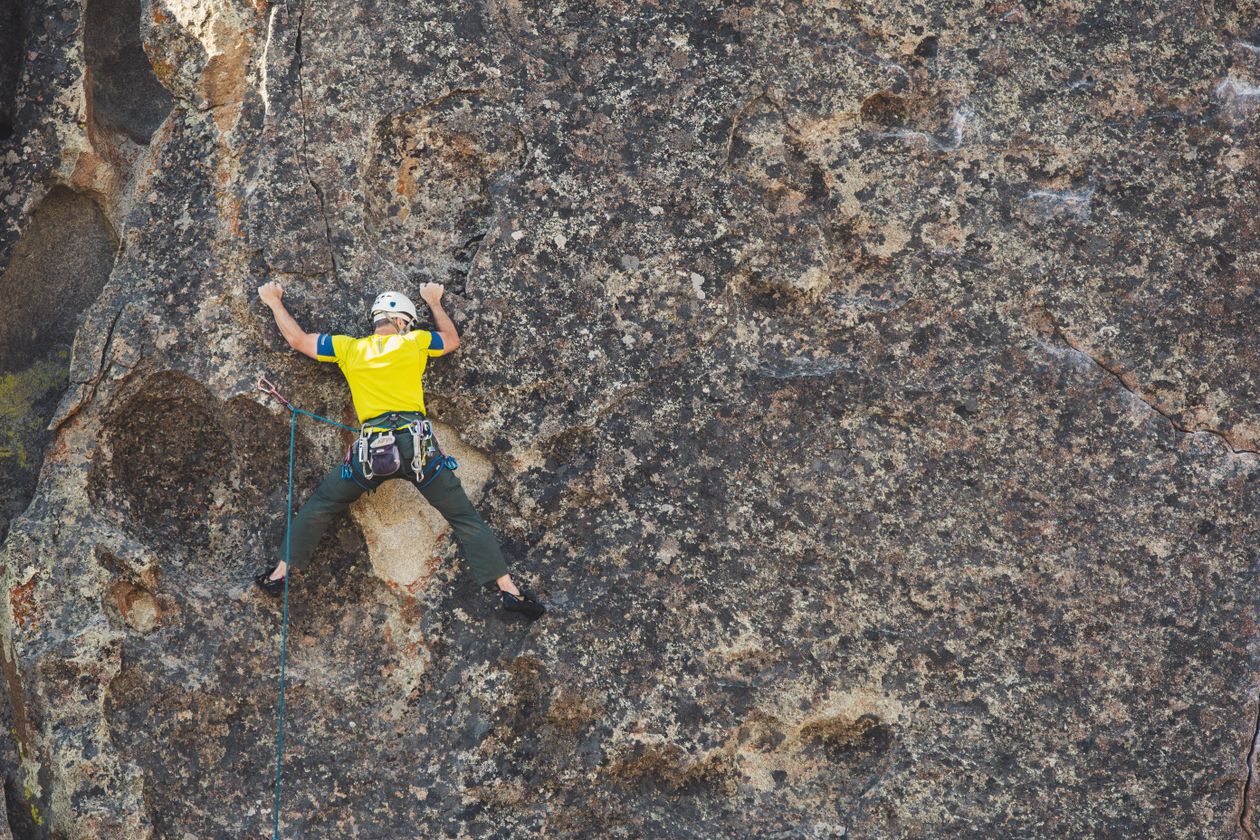
Most climbers approach footwork as a search for a ledge. They look for the "edge," the crystal, or the pocket. While edging is essential, relying on it exclusively is a limiting strategy. The rock is not always a series of stairs; often, it is a smooth, featureless slab or a slight undulation of granite. When there is no edge, you must rely on friction. This is the art of the smear.
Smearing is the act of pressing the rubber of your shoe against a flat or slightly curved surface to create enough friction to support your weight. To the untrained eye, it looks like the climber is standing on nothing. In reality, they are maximizing the contact area between the rubber and the rock, using physics to create a temporary hold where none exists. If you cannot smear, you are limited to the "obvious" lines. If you master friction, the entire wall becomes a possibility.
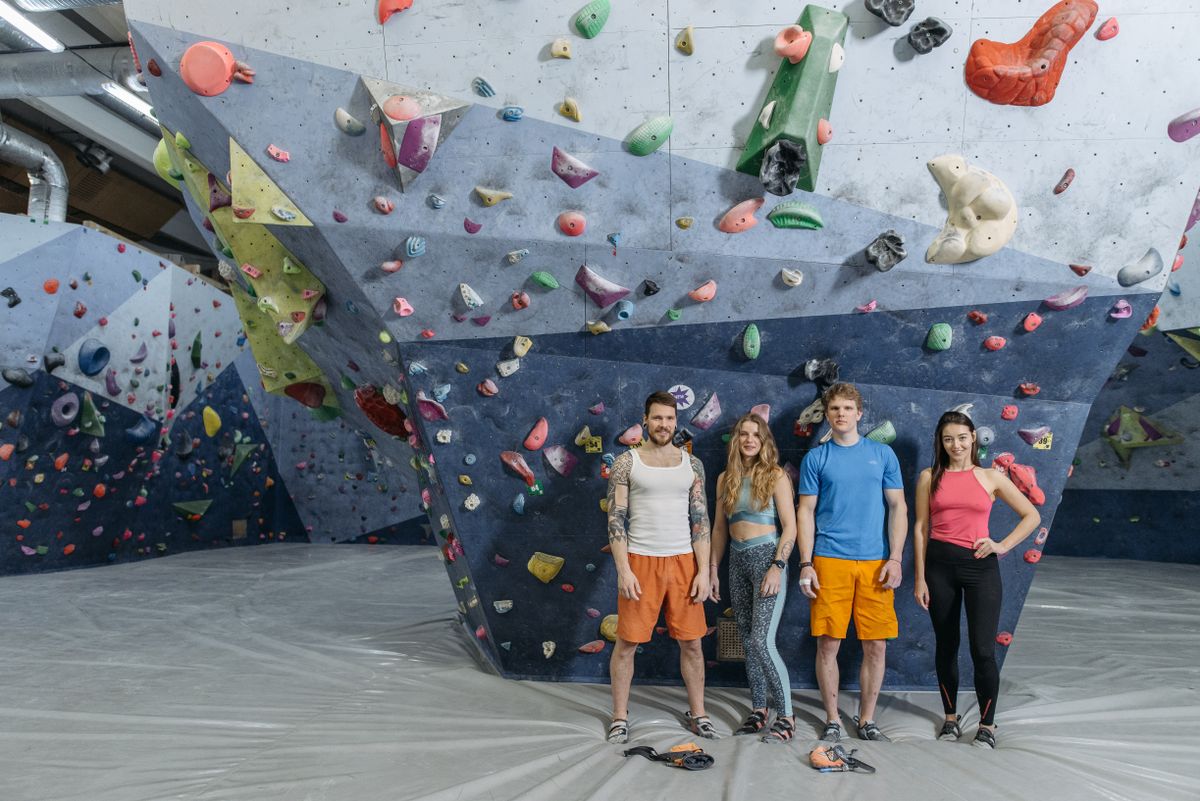
The problem is that most gym climbers are "spoiled." Climbing gym holds are designed to be gripped. Rubber on plastic is an artificial environment. On real rock, friction is variable, temperature-dependent, and requires a fundamental shift in how you apply pressure. Smearing is not a a a "trick"; it is a biological and mechanical protocol for movement.
The Physics of Friction
Friction is the result of two forces: the coefficient of friction of the rubber and the normal force applied to the surface. In simple terms: the stickier the rubber and the harder you push into the rock, the more grip you have. This is why "pushing" is the core of the smearing protocol. If you merely place your foot on the rock, you will slip. You must actively drive your weight into the surface.
The angle of application is critical. To maximize friction, you want to apply pressure perpendicular to the rock surface. If your foot is angled too far forward, you are creating a shearing force that will push the rubber off the rock. The ideal smear involves keeping the heel low and the toe pressed firmly. This maximizes the surface area of the rubber in contact with the stone and directs the force straight into the wall.
Rubber choice matters. Softer rubber typically has a higher coefficient of friction, making it superior for smearing. However, soft rubber wears out faster and lacks the support needed for tiny edges. This is the classic climber's tradeoff. For a send-focused protocol, a moderate shoe with high-friction rubber is the balanced choice. If you are climbing a featureless slab, a softer, flatter shoe is the based option.
The Smearing Protocol: Execution and Precision
The most common error in smearing is "tenting" the foot. This happens when a climber puts the toe on the rock but leaves the heel high in the air. This concentrates all the pressure on a tiny point at the tip of the shoe, which minimizes surface area and increases the likelihood of a slip. The protocol for a perfect smear is: heel down, toe pressed, weight driven.
When you encounter a featureless section of rock, do not search for a hold. Instead, search for the "texture." Even a "smooth" wall has micro-irregularities. The goal is to find the area of the rock that is the roughest and commit your weight to it fully. This requires a psychological shift. You must trust the rubber and your technique over your fear of slipping. If you hesitate, you reduce the normal force, and you will slide.
Precision is everything. A smear that is off by one centimeter can be the difference between a stable position and a fall. This is where "foot-feel" comes in. You should be able to feel the texture of the rock through your shoes. If your shoes are too thick or too loose, you lose this sensory feedback. A dialed-in shoe allows you to "sense" the friction before you fully commit your weight.
Integrating Friction into Your Movement
Smearing is not just for slabs. It is a tool for every style of climbing. On a steep overhang, a smear can be used to push your body away from the wall or to create a pivot point for a dynamic move. By pressing a foot into a smooth section of the wall, you create a stabilizing force that reduces the load on your fingers. This is how you "lighten" your body on a hard project.
The transition from edging to smearing should be fluid. The best climbers constantly fluctuate between the two. They might edge on a small crystal and then immediately smear into a smooth section to shift their center of gravity. This "hybrid footwork" is what separates a gym-strong climber from a rock-competent one. It is the difference between "muscling" a route and "flowing" through it.
Stop treating footwork as a secondary concern. Your fingers get the glory, but your feet do the work. The next time you are at the crag, spend a session focusing exclusively on smearing. Find a slab, remove the "obvious" holds from your mind, and try to move using only friction. Once you stop fearing the smooth rock, you have truly ascended in your climbing.