How to Use a Climbing Gym Effectively: Stop Climbing Randomly
Most gym climbers show up, climb whatever looks fun, and leave. That is exercise, not training. Here is how to structure gym sessions for actual progression.
The Problem With Random Climbing
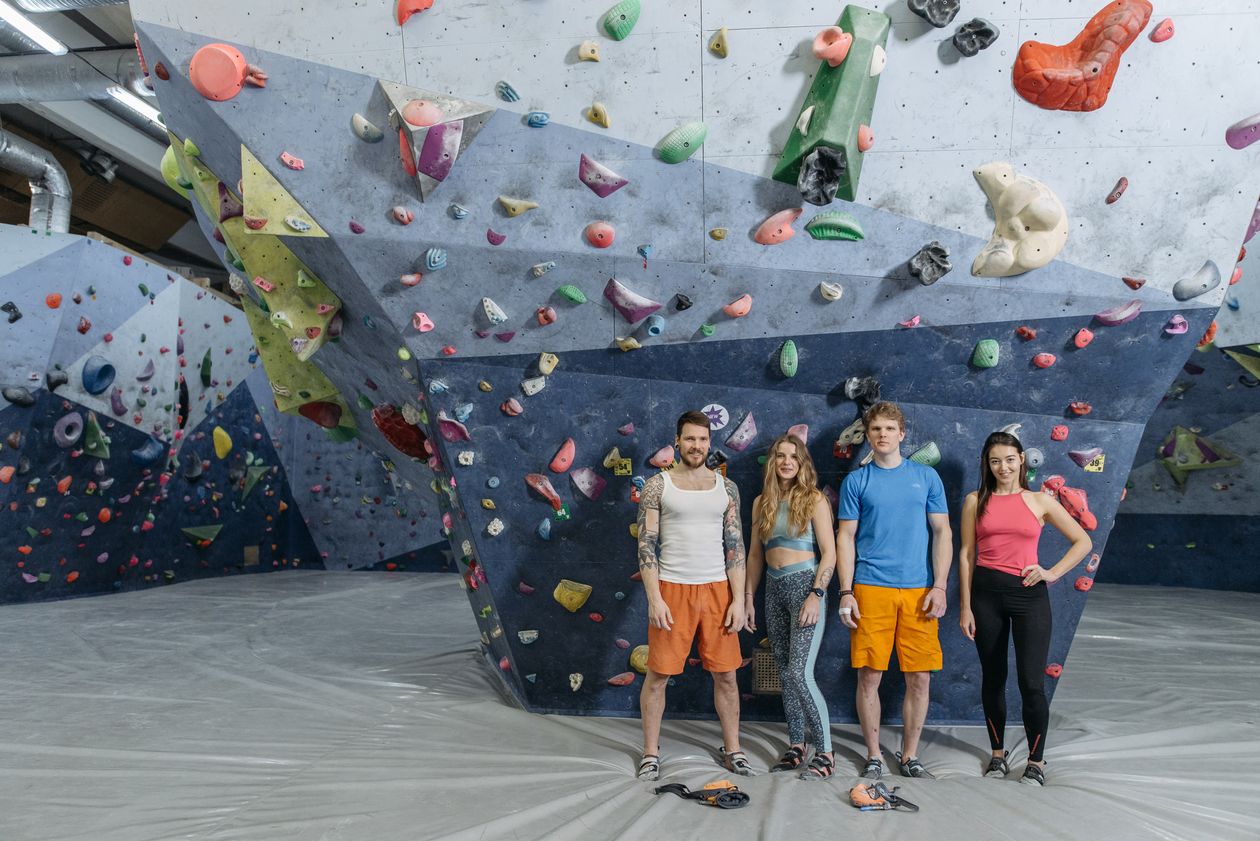
Walk into any climbing gym and watch the pattern. Climbers arrive, warm up on a few easy routes (maybe), then spend two hours climbing whatever catches their eye. They climb the same difficulty range they climbed last week and the week before. They leave feeling tired but satisfied. They come back next session and do the same thing. Six months later they are at the same grade.
This is recreation, not training. Recreation is fine if your goal is fun and fitness. But if your goal is to climb harder, you need structure. A structured gym session has a warm-up protocol, a focus for the session, and a clear endpoint. It is not random. It is intentional.
The Session Framework: Warm Up, Work, Cool Down
Warm up for 15 to 20 minutes. Start two to three grades below your max. Climb easy routes focusing on perfect footwork and smooth movement. Increase difficulty gradually. Your fingers, tendons, and pulleys need blood flow before load. Skipping warm-up is the fastest path to a finger injury.
The work phase is 45 to 75 minutes. This is where you have a specific focus. Options: limit bouldering (attempting problems at or above your max for 3 to 5 attempts each), volume climbing (many routes at moderate difficulty for endurance), technique drills (silent feet, hover hands, elimination climbing), or project sessions (working one hard problem repeatedly).
Cool down for 10 to 15 minutes. Climb easy routes. Stretch forearms, shoulders, and hips. This is not optional. Recovery starts before you leave the gym.
The Weekly Structure
Three to four gym sessions per week is the effective range for most climbers. More than four increases injury risk without proportional gains. A sample week: Monday is limit bouldering (power), Wednesday is route climbing or endurance, Friday is technique and movement drills, Sunday is outdoor climbing or rest. Never do limit sessions on consecutive days. Your tendons need 48 hours minimum between maximum load sessions.
Track your sessions. Write down what you climbed, what difficulty, how many attempts on projects, and how you felt. Pattern recognition is impossible without data. You will notice trends: certain hold types that are weak, specific wall angles where you struggle, energy levels that correlate with sleep and nutrition. The logbook is the most underused tool in climbing.
The One Thing That Accelerates Everything
Climb with people who are better than you. Not on social media. In the gym, on the same problems, at the same time. Watch their body positioning. Ask for beta. Try their sequences. Climbing is a movement language and fluency comes from exposure to better speakers. A single session climbing with someone two grades above you will teach you more than a month of climbing alone at your current level. Find those people. Climb with them. The grade will follow.