Sport Climbing for Gym Climbers: The Complete Outdoor Transition Guide
The gym built your base. Now the rock will test everything. Here is how to make the transition from plastic to stone without regressing three grades.
Why Outdoor Climbing Feels Harder Than Your Grade
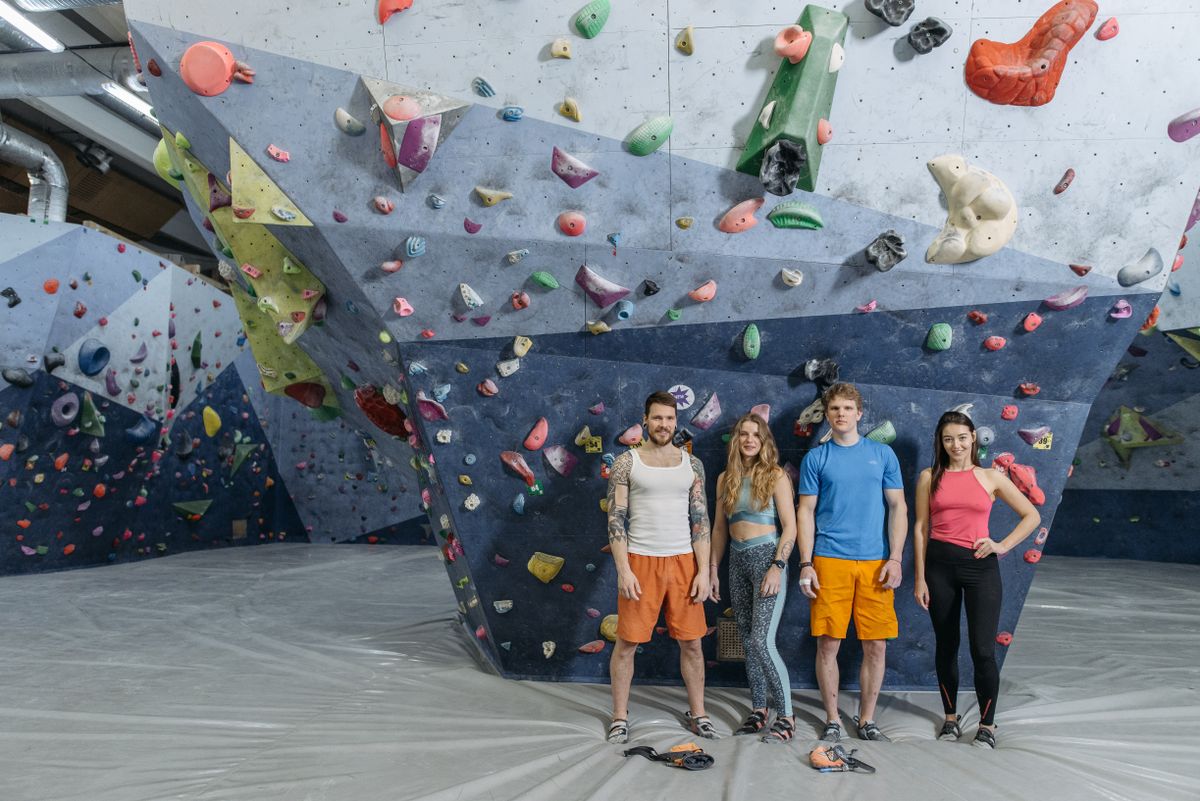
You climb 5.11a in the gym. You go outside and struggle on 5.9. This is not a failure. This is the gap between controlled indoor movement and the reality of natural rock. Gym holds are color-coded, evenly spaced, and designed to be grabbed. Outdoor holds are whatever the rock decided to offer millions of years ago. They are smaller, less obvious, farther apart, and covered in texture your fingers have never felt.
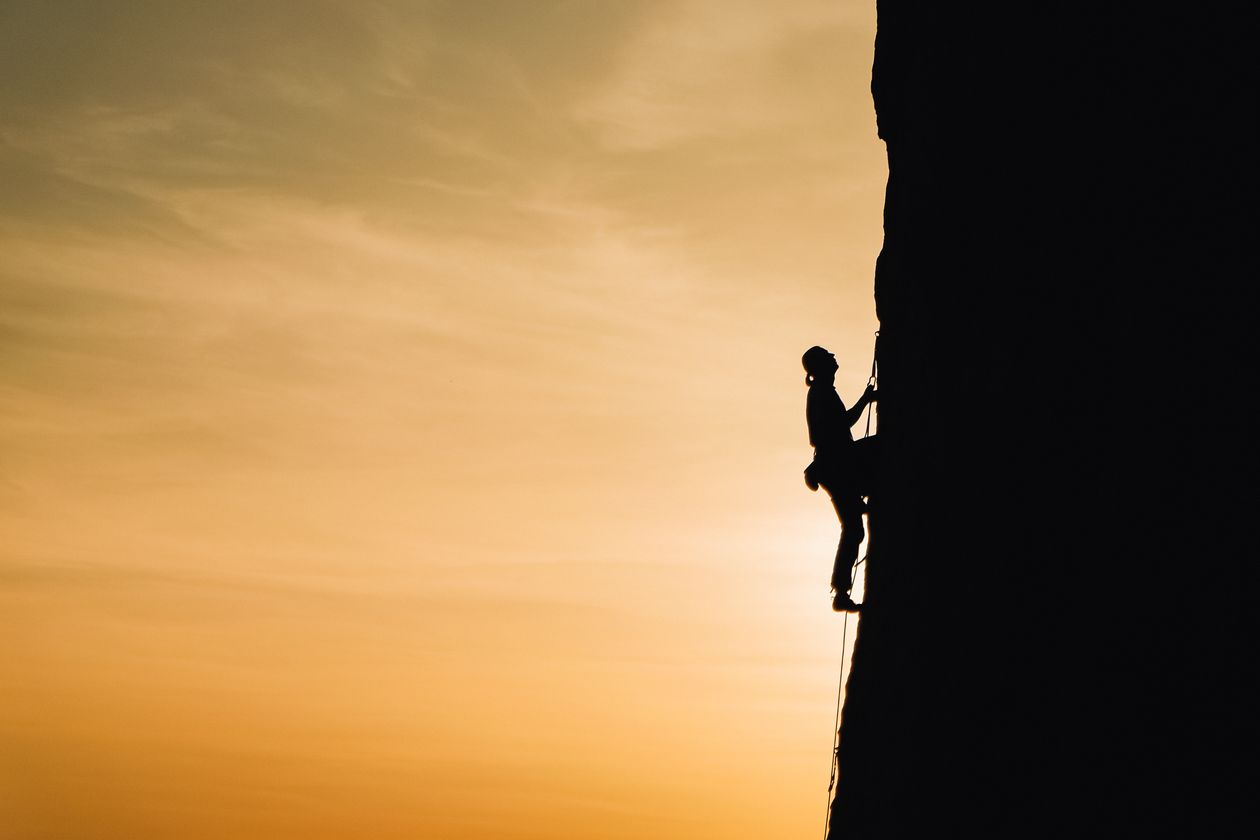
The mental component is equally significant. Indoor falls are predictable. Outdoor falls involve ledge awareness, rope drag, and the psychological weight of real height. Your movement skills transfer. Your confidence has to be rebuilt from scratch. Accept this and you will progress faster than the climbers who refuse to acknowledge it.
Gear You Need That the Gym Didn't Teach You
You need your own rope (60 or 70 meters, 9.5 to 10.2mm diameter for sport climbing), a dozen quickdraws, a belay device you are proficient with, a helmet (non-negotiable outdoors), and approach shoes for the hike to the crag. You also need an anchor building kit if you plan to clean routes: two locking carabiners, a personal anchor system, and the knowledge to use them.
Rent before you buy. Most climbing shops near popular crags rent full sport racks. Climb outdoors five times before investing in your own gear. Your preferences will change once you understand what you actually need versus what the internet told you to buy.
Reading Real Rock: The Skill Nobody Teaches
Indoor climbing requires reading colored tape. Outdoor climbing requires reading geology. You need to identify features: edges, pockets, cracks, slopers, tufas, crimps that are not marked with bright colors. Stand at the base of a route and trace the line with your eyes. Look for chalk marks from previous climbers. Identify rest positions. Find the crux section and plan your sequence before you leave the ground.
Footwork changes dramatically outdoors. Gym footholds are clearly marked. Outside, every crystal, divot, and edge is a potential foothold. Trust small features. Precision placement matters more than power. The climbers who transition fastest are the ones who spend the first month focused entirely on their feet.
The 10-Session Transition Protocol
Sessions 1 and 2: Climb two full grades below your indoor max. Focus entirely on movement quality, not performance. Get used to the texture, the scale, and the mental environment. Sessions 3 through 5: Climb one grade below your indoor max. Start reading routes from the ground. Practice falling on sport routes at comfortable heights. Sessions 6 through 8: Climb at your indoor grade. Some routes will go, some will not. Route style matters more outdoors. A 5.10c crack climber and a 5.10c face climber are different athletes. Sessions 9 and 10: Project something at or above your indoor grade. By now your outdoor movement patterns are developing their own efficiency. The grade gap between indoor and outdoor begins to close and will continue closing with every session. The rock rewards patience. Give it time and it gives back everything the gym could not.