System Board Training: How to Build Power on the MoonBoard and Kilter
System boards are the most effective power training tool in climbing. Here is how to use the MoonBoard, Kilter, and other spray walls to build real movement power, not just finger strength.
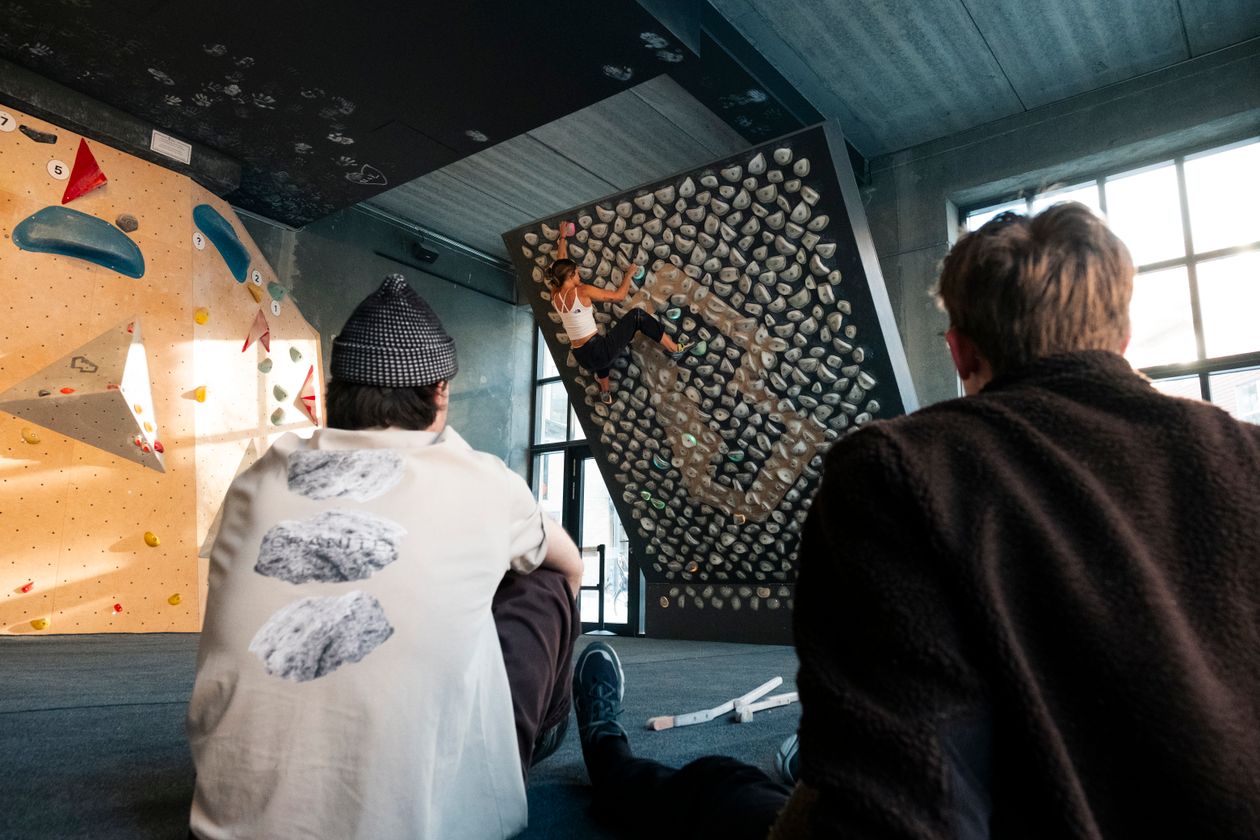
Photo by Beta Boulders via Pexels
Why System Boards Are Different From Everything Else
Hangboards build finger strength. Campus boards build contact power. System boards build climbing movement. That distinction matters more than most climbers realize. You can have the strongest fingers and the fastest contact in the gym, but if you cannot generate power through your whole body, move dynamically between holds at full extension, and maintain tension through complex sequences, you will hit a ceiling that no amount of hangboarding will break through.
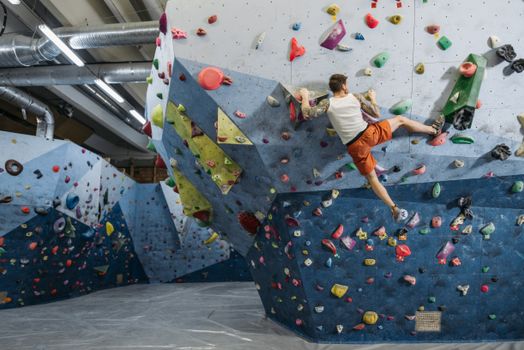
A system board is a steep wall, usually forty to fifty degrees overhanging, covered in holds. The MoonBoard is the original standard, with a fixed layout and an app full of problems. The Kilter Board uses LED illuminated holds that light up to show you the problem. Spray walls are custom boards with a dense random layout of holds. Each has strengths and limitations, but they all share one thing: they force you to climb powerful, movement dense sequences that translate directly to real rock.
The value of a system board is in the movement density. A typical gym boulder has eight to twelve moves with generous rest positions. A typical system board problem has four to eight moves with no rests. Every move requires full body tension, precise foot placement, and commitment. In a thirty minute session on a system board, you execute more hard moves than in two hours of regular bouldering. This density is why system boards produce results faster than any other training modality, and it is also why they produce injuries faster if you use them wrong.
The prerequisite for system board training is a base of finger strength. If you cannot hang comfortably on a 20mm edge for fifteen seconds, you are not ready for a system board. The holds on these boards are smaller, the angles are steeper, and the movements are more powerful than anything you encounter in regular gym climbing. Starting system board training without adequate finger strength is the fastest path to a pulley injury. Build the base first, then add the power.
MoonBoard vs Kilter vs Spray Wall: Pick Your Weapon
The MoonBoard is the gold standard for a reason. The fixed hold layout means every problem is repeatable, and the global community has created thousands of benchmarks that let you track your progress against other climbers. The 2016 and 2017 setups are the most common in gyms, and the 2019 Masters set is the current competition layout. Each has a different character. The 2016 set is known for big, powerful moves on positive holds. The 2017 set has more technical sequences with smaller holds. The 2019 Masters set is a mix of both, with some of the hardest benchmarks in the system.
The Kilter Board has two advantages over the MoonBoard: variable angle and LED holds. Being able to change the angle from thirty to seventy degrees means you can adjust difficulty without changing the problem. This makes the Kilter better for progressive training, where you start at a moderate angle and steepen as you get stronger. The LED holds are a quality of life feature that eliminates the time spent memorizing problems or walking back and forth to check the app. When you can see which holds are on, you spend more time climbing and less time deciphering.
Spray walls are the most versatile and the least standardized. Because the hold layout is custom, every spray wall is unique. This means no benchmarks, no app problems, and no way to compare your progress to climbers at other gyms. But it also means you can tailor the wall to your weaknesses. If you need more sloper density, add more slopers. If you want more compression moves, position holds for pinches and side pulls. The spray wall is the best tool for targeted weakness training, but it requires more self discipline because there is no app telling you what to climb.
Which board should you train on? The one at your gym. Consistency matters more than the specific platform. If your gym has a MoonBoard, train on the MoonBoard. If it has a Kilter, train on the Kilter. If it has a spray wall, use the spray wall. The training principles are the same regardless of the board. Do not let equipment access be the excuse that keeps you from training.
The System Board Training Protocol
System board sessions should be short, intense, and infrequent. Two sessions per week is the maximum for most climbers. Three sessions will burn you out within a month. One session is enough to make progress if you are also climbing regularly. The key is quality over quantity. Every problem on a system board should feel hard. If you are cruising problems, you are not training power, you are just climbing.
Warm up thoroughly before touching the system board. Ten minutes of general movement, five minutes of easy climbing on vertical terrain, and two to three easy problems on a less steep section of the gym. Your fingers, shoulders, and core need to be fully warm before you start pulling on small holds at forty degrees. Skipping this warmup is not saving time. It is gambling with your tendons.
The core session structure is simple. Pick four to six problems at your limit. These should be problems you can do the moves on individually but cannot link in one go. Work each problem for ten to fifteen minutes, attempting to link moves together. Rest three to five minutes between attempts. When you send a problem, move to the next one. When you cannot do any moves on a problem because you are too tired, the session is over. Most sessions last thirty to forty five minutes of actual board time.
Track your attempts. Write down every problem you try, how many attempts it took, and whether you sent it. This data is how you measure progress. If a problem that took you eight attempts last month now takes three, you are getting stronger even if you have not sent anything new. Progress on a system board is measured in reduced attempts and increased consistency, not just ticks.
There are three types of sessions you should rotate between. Limit bouldering sessions focus on problems at your absolute maximum. You work single moves or short links, resting fully between attempts. This is where the biggest strength gains happen. Volume sessions use easier problems at higher density. Four to six problems that you can send in one to three attempts each, with short rest. This builds power endurance. Flash sessions focus on reading and executing problems first try. Pick problems one to two grades below your max and try to flash them. This trains onsight movement skills on steep terrain.
Do not skip the cool down. Five minutes of easy climbing followed by light stretching of the forearms, shoulders, and hips. The system board creates high loads on your finger flexors and shoulder stabilizers. A proper cool down reduces next day soreness and long term injury risk. If you are too tired to climb after a board session, do ten minutes of active mobility instead.
Common Mistakes That Kill Progress and Cause Injuries
The most common mistake on system boards is training too often. The combination of steep angle, small holds, and powerful movement creates enormous stress on finger tendons and shoulder capsules. Two sessions per week is the ceiling. One quality session per week is enough to make measurable gains. If you feel finger soreness that does not resolve with two days of rest, you are overtraining. Back off immediately. A pulley strain takes six to eight weeks to heal. A prevention protocol takes zero weeks.
The second mistake is ignoring feet. System boards have screw on footholds, and many climbers treat them as optional. They are not optional. Every move on a system board should have a designated foot placement. Training without feet builds raw pulling power but does not build the foot tension and hip control that transfers to real climbing. The climbers who benefit most from system boards are the ones who use their feet on every move, even on the smallest screw ons.
The third mistake is only projecting. Spending an entire session on one problem, failing repeatedly, and leaving without a send is a wasted session. Projecting has value, but it should be balanced with problems you can send. The send is what wires the movement pattern into your nervous system. Every project should include work on problems you can complete, because completions are what build confidence and movement quality.
The fourth mistake is training through pain. System board training will make your fingers sore. That is normal. But there is a difference between muscle fatigue and tendon pain. Muscle soreness is diffuse and bilateral. Tendon pain is localized, sharp, and often unilateral. If you feel a twinge on one side of a finger, stop. If you feel a pop, stop and see a specialist. The difference between a minor strain and a full rupture is often just a few more pulls. Walk away while you can still climb next week.
The final mistake is expecting system board gains to show up immediately. Power training works on a longer timeline than endurance or technique. You will not feel stronger after one session. You will feel stronger after four to six weeks of consistent training. Track your attempts, trust the process, and let the adaptations accumulate. The problems that felt impossible in week one will feel achievable in week four. The problems that felt achievable in week four will feel easy in week eight. That is how power training works. Slow, then sudden.