Outdoor Climbing Transition: How to Move from Gym to Rock in 2026
A technical guide on mastering the outdoor climbing transition, focusing on movement, safety, and the reality of real rock.
The Brutal Reality of the Outdoor Climbing Transition
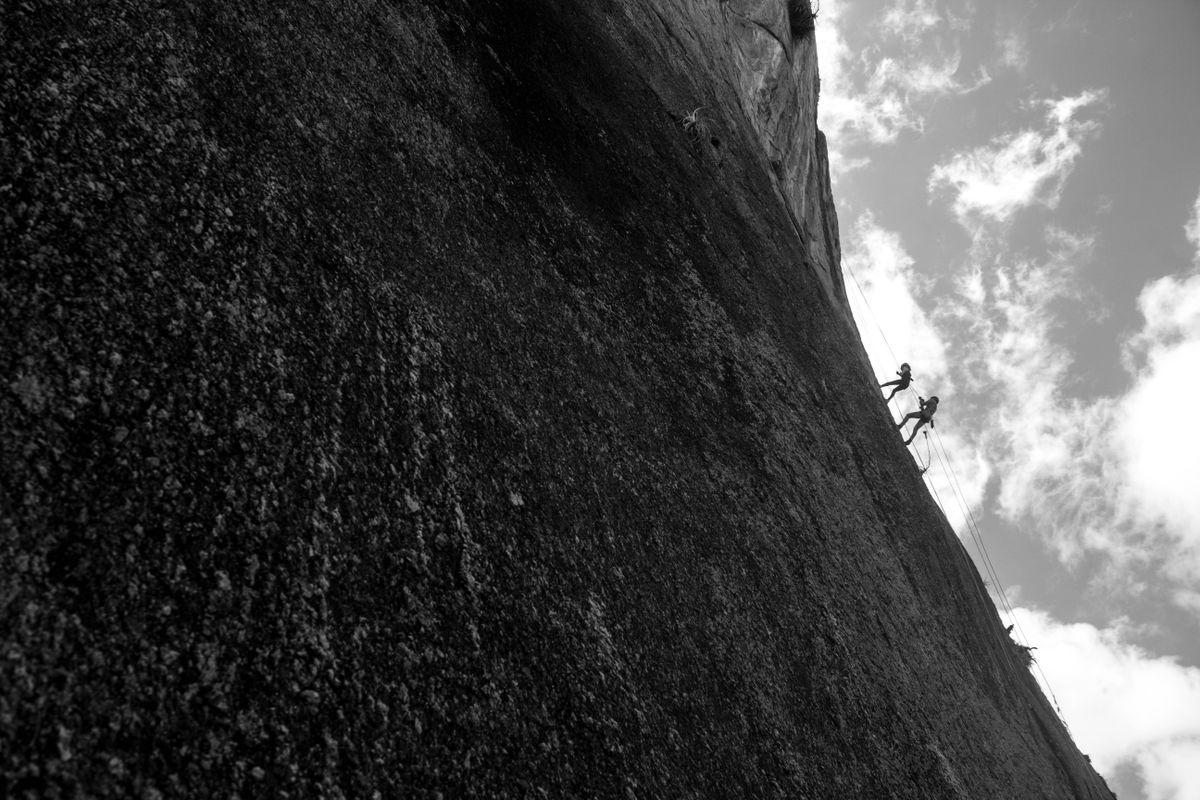
You have spent months or years in the gym. You can flash V5s on a wall with perfectly textured holds and a floor made of high density foam. You feel strong. You feel ready. Then you step onto a real cliff and realize you cannot find a single hold. This is the outdoor climbing transition. It is the moment you realize that gym climbing is a sanitized version of the sport. In the gym, a hold is a hold because a route setter put it there and painted it a bright color. Outdoors, the hold is a microscopic ripple in a slab of limestone or a sharp edge of granite that wants to slice your fingertips open. The transition is not about strength. You already have the strength. It is about the perception of the rock and the ability to apply your gym power to an environment that does not want you to succeed.
Most climbers fail their first few outdoor trips because they try to climb the rock like they climb the gym. They look for the obvious holds. They wait for a clear sequence. They expect the rock to be consistent. None of this happens outdoors. To succeed in the outdoor climbing transition, you must stop looking for holds and start looking for features. A feature might be a slight indentation, a change in rock texture, or a tiny crystal that provides just enough friction to keep you from sliding off. You have to learn to trust your feet on surfaces that look completely flat. In the gym, you know a foothold is there because it is a plastic block. Outdoors, your foothold is a smudge of dirt or a tiny dimple. This shift in mindset is the difference between spending a weekend staring at a wall and actually sending your project.
The mental gap is just as wide as the technical gap. In the gym, falling is a non event. You drop onto a mat and walk away. Outdoors, the stakes are higher. Even with a rope and a well placed belayer, the psychological weight of being forty feet up on a cliff is different. You will feel a tension in your chest that you never felt in the gym. This tension causes you to overgrip. You will squeeze holds harder than necessary, which drains your forearm strength and leads to premature pump. The outdoor climbing transition requires you to manage this anxiety so you can maintain the fluid movement you developed indoors. If you cannot control your breathing and your heart rate, your gym strength is useless.
Mastering Natural Rock Reading and Beta
Reading a route in the gym is a puzzle. You look at the colors and the orientation of the holds to deduce the sequence. Reading natural rock is a forensic investigation. You are looking for clues left by erosion, geology, and the climbers who came before you. The first step in the outdoor climbing transition is learning to see the micro features. You need to stop looking for the big jugs and start looking for the subtle shifts in the rock surface. Often, the most secure hold is not a visible ledge but a slight concave curve that allows you to use a palm press or a friction grip. If you only look for what you recognize from the gym, you will miss eighty percent of the available holds.
Footwork is where the gym fails you most. Gym holds are designed to be stepped on. Natural rock requires a level of precision and trust that is rarely demanded indoors. You will encounter smears that feel like ice and edges that are thinner than a credit card. The trick is to apply pressure directly into the rock. In the gym, you can often stand on a hold and feel it support you. Outdoors, you have to create the friction. This means shifting your center of gravity and trusting that the rubber on your shoe will bond with the mineral surface of the cliff. If you hesitate for a fraction of a second, you will pop off. The outdoor climbing transition is essentially a lesson in commitment.
You also need to understand the concept of the line. In the gym, the line is often dictated by the holds. Outdoors, the line is dictated by the geology. You might find a great hold, but the movement required to reach the next one is inefficient. You have to learn to look at the overall shape of the wall. Is it slightly concave? Is there a bulge you need to work around? The beta is not just about where your hands go, but how your body interacts with the angle of the rock. You will spend more time staring at the rock from the ground than you will actually climbing. This is not wasted time. This is where the send is won. If you can visualize the movement and the precise placement of your feet before you leave the ground, you reduce the amount of energy wasted on the wall.
Managing Equipment and Safety in the Wild
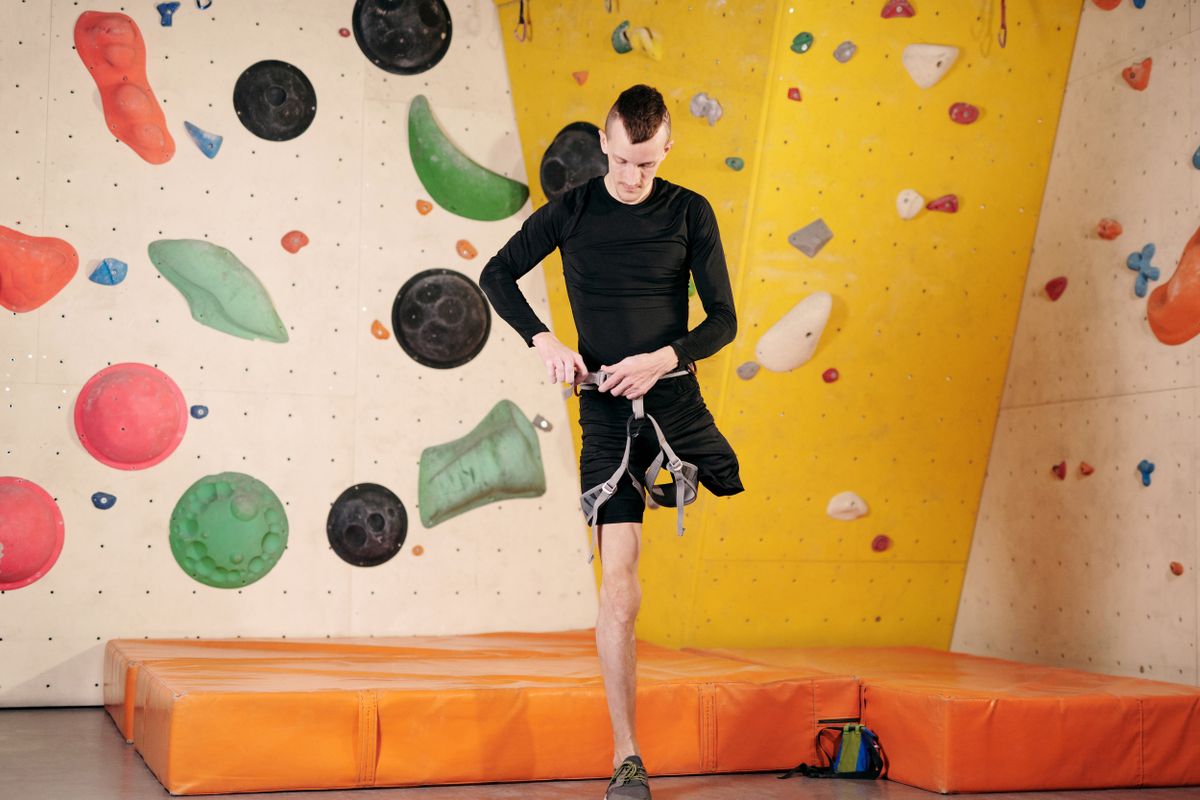
The gear you use in the gym is a fraction of what you need outdoors. The outdoor climbing transition involves a steep learning curve in gear management. You are no longer just putting on a harness and clipping into an auto belay. Now you are managing ropes, quickdraws, slings, and protection. The most critical part of this is the transition from top rope to lead. Leading outdoors is a different beast entirely. You are not just managing the physical climb, but the mental stress of potential falls and the technical requirement of placing gear correctly. A mistake in the gym is a bruised ego. A mistake outdoors can be a catastrophic event.
Your choice of shoes and chalk becomes more critical. In the gym, you can get away with shoes that are slightly too big or chalk that is low quality. Outdoors, the rubber needs to be precise. You need a shoe that allows you to feel the texture of the rock through the sole. If your shoes are too thick or too loose, you lose the tactile feedback necessary to find those micro edges. Chalk management is also different. Wind and humidity will strip the chalk from your hands faster than any gym environment. You need to learn when to chalk and when to save it. Over chalking can actually reduce friction on certain types of rock, especially on slabs where a thin layer of rubber and rock is all that stands between you and a fall.
Belaying outdoors requires a higher level of vigilance. You are no longer in a controlled environment with a gym staff member watching. You are dealing with wind, uneven terrain, and potential rockfall. You must be obsessive about your communication and your knots. The outdoor climbing transition is not complete until you can manage your gear instinctively. You should not be thinking about how to tie a figure eight or how to lock a carabiner while you are on the wall. These things must be muscle memory. The mental energy you save by having a flawless gear protocol is energy you can spend on the crux of the climb. If you are fumbling with your gear, you are adding unnecessary stress to an already high pressure situation.
The Physical Adaptation to Real Rock
Your muscles will react differently to outdoor climbing. In the gym, you are used to a specific type of grip. Most gym holds are ergonomic or designed to be gripped in a certain way. Natural rock is indifferent to your comfort. You will encounter sharp edges that cause immediate pain and awkward positions that force your body into unnatural angles. The outdoor climbing transition often involves a period of skin adaptation. Your fingertips will be shredded. You will deal with blisters and cuts that you never encountered on plastic. This is part of the process. You have to build the calluses and the toughness required to handle the abrasive nature of the cliff.
The type of strength required also shifts. Gym climbing often emphasizes explosive power and dynamic movement. While that is useful, outdoor climbing often requires more static strength and isometric tension. You might find yourself holding a precarious position for ten seconds while you search for the next hold. This is a different kind of strain on your tendons and muscles. If you only train for the gym, you will find yourself gassing out during the slow, methodical sections of a real route. You need to incorporate more time under tension into your training to prepare for the reality of the crag.
Recovery is also different when you are outdoors. You are no longer in a climate controlled environment with a water fountain every ten feet. You are fighting the elements. Heat will sap your energy and cold will make your fingers stiff and useless. Proper hydration and nutrition during the outdoor climbing transition are often overlooked. You cannot simply drink a protein shake between burns. You need sustained energy and electrolyte replacement to keep your muscles firing. If you let your blood sugar drop, your focus will slip, and your technique will degrade. The outdoor environment is a constant drain on your resources, and you must be proactive in managing your physical state to maintain peak performance.
Closing the Gap and Committing to the Send
The final stage of the outdoor climbing transition is the mental shift from wanting to climb to committing to the send. In the gym, it is easy to give up on a move because the cost of failure is low. Outdoors, the cost is higher, but the reward is exponentially greater. There is a profound satisfaction in topping out on a natural spire or reaching a ledge that has not been touched in years. To achieve this, you have to embrace the discomfort. You have to be okay with the fact that you might fall. You have to be okay with the fact that the rock is not fair.
Stop comparing your outdoor grades to your gym grades. This is a common mistake that leads to frustration. A V5 in the gym is not a V5 on the rock. The grading systems are different because the variables are different. If you spend your time worrying about the grade, you are missing the point of the experience. Focus instead on the quality of your movement and the precision of your placements. When you stop chasing a number and start chasing the feeling of a perfect move on real rock, you will find that your progress accelerates. The outdoor climbing transition is not a linear path, but a series of breakthroughs.
Ultimately, the transition is about humility. You are entering a domain where you have no control. The rock does not care about your gym PRs or your expensive gear. It only responds to correct technique and relentless persistence. The climbers who thrive outdoors are not necessarily the strongest, but the ones who are most adaptable. They are the ones who can read the rock, manage their fear, and keep pushing even when their fingers are bleeding. If you can develop that mental toughness, the outdoor world becomes your playground. Stop hesitating and start climbing. The rock is waiting, and it does not care if you are ready.