Best Climbing Shoes for Bouldering: Choosing the Right Rubber and Shape (2026)
A technical breakdown of how to choose the best climbing shoes for bouldering based on rubber compounds, toe tension, and heel design.
Understanding the Mechanics of Best Climbing Shoes for Bouldering
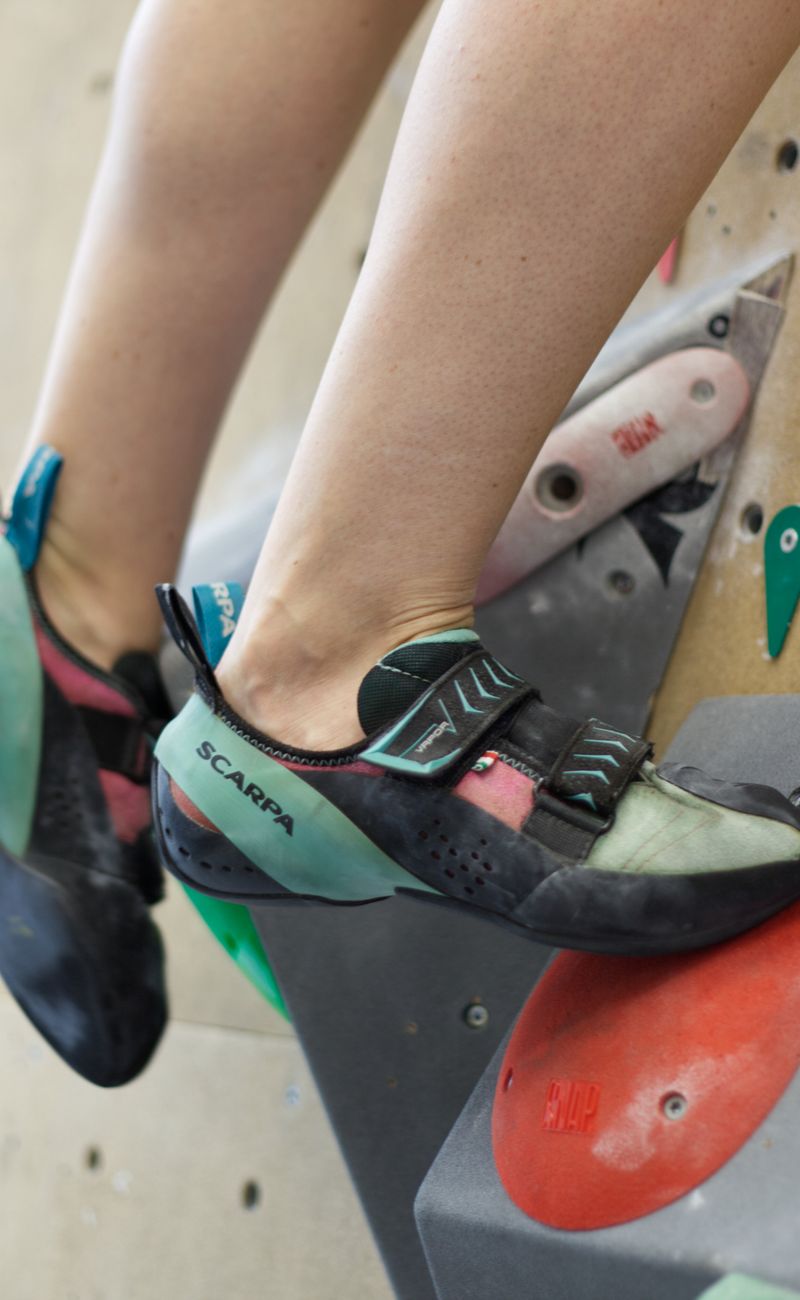
The most common mistake climbers make is buying shoes based on what a professional wears instead of what their own foot requires for a specific style of rock. Bouldering demands a level of aggression and precision that traditional gym shoes cannot provide. When you are searching for the best climbing shoes for bouldering, you are not looking for comfort. Comfort is for the approach hike. You are looking for a tool that maximizes the surface area of your rubber against the hold while providing enough downward tension to keep you from peeling off a steep overhang. The geometry of the shoe determines how much weight you can put on a tiny edge without your foot collapsing. A flat shoe is fine for slab, but once the angle of the wall exceeds thirty degrees, you need a downturned profile. This downturn allows you to pull with your toes, effectively turning your feet into hooks that keep your hips closer to the wall.
Rubber compounds are the silent engine of your performance. Most high end bouldering shoes use a softer rubber that smears better on polished plastic or sandstone. Soft rubber conforms to the microtexture of the hold, creating more friction. However, this comes at the cost of durability. If you choose a shoe that is too soft, your toes will roll off small edges because the rubber lacks the structural integrity to support your weight. The balance between stiffness and softness is where the magic happens. A stiff midsole prevents your foot from fatiguing on long stands, while a soft toe allows you to wrap your foot around volumes. You must decide if your primary goal is precision on tiny crystals or friction on large slopes. If you try to find a shoe that does both perfectly, you will likely end up with a mediocre compromise that does neither well.
Sizing is where most climbers fail. A climbing shoe that fits like a sneaker is a useless piece of rubber. There should be no dead space in the heel or the toe box. If your heel slips, you cannot trust a heel hook, and if there is air in the toe, you lose the ability to feel the hold. This does not mean you should endure agonizing pain, but you should expect a tight, compressive fit. The goal is for the shoe to become an extension of your foot. When you slide into a pair of the best climbing shoes for bouldering, your toes should be slightly curled, and the upper should feel like a second skin. If you can easily pull the shoe off without unlacing it, the fit is too loose. Trust the rubber to break in and mold to your foot over the first ten sessions. Do not size up just because the shoe feels tight in the store.
The Role of Downturn and Tension in High Performance Shoes
Downturn is the degree to which the toe of the shoe curves downward. For bouldering, a moderate to aggressive downturn is essential. This shape allows you to engage the toe of the shoe on holds that are oriented horizontally or even slightly downward. Without this curvature, your foot would simply slide off the hold as your center of gravity shifts. However, too much downturn in a shoe that is too soft can lead to instability. The tension of the shoe is managed by the tension band, which is the rubber strip that wraps around the heel and runs along the arch. This band is what pulls the shoe tight against your foot and prevents you from sliding forward inside the shoe. A strong tension band is what makes a shoe feel responsive. When you stand on a dime edge, the tension band keeps your foot locked in place, allowing you to transfer all your power into the hold.
The heel cup is another critical component of a bouldering shoe. In bouldering, the heel hook is often the difference between sending a project and falling off. A shallow heel cup will pop off the moment you put weight on it, which is a frustrating way to end a climb. You want a heel that is contoured to the shape of your calcaneus and made of a rubber that is sticky enough to grip the rock. Some shoes use a stiffer rubber on the heel to provide more support, while others use a softer rubber for maximum grip. If you climb on a lot of volumes, a softer, more wrap around heel is preferable. If you are on steep limestone with small pockets, a more structured, pointed heel will provide better precision. The best climbing shoes for bouldering always prioritize the integrity of the heel to heel connection.
Toe box construction varies between pointed and rounded shapes. A pointed toe is superior for precision on small edges and for inserting the foot into tight pockets. It concentrates all the pressure on a single point, which is ideal for technical face climbing. A rounded toe, on the other hand, provides more surface area for smearing and is generally more comfortable for long sessions. Most high performance bouldering shoes lean toward a pointed or asymmetric shape. Asymmetry means the shoe is curved toward the inside of the foot, which allows you to use the inner edge of the shoe more effectively on steep terrain. This design helps you maintain a more natural body position and prevents your ankles from twisting outward when you are fighting for balance on an overhang.
Comparing Rubber Compounds and Durability
Not all rubber is created equal. The industry is divided between hard, durable rubber and soft, high friction rubber. Hard rubber is designed to last. It resists abrasion and holds its shape over time, making it ideal for long days at the crag. However, it lacks the stickiness required for the most difficult bouldering problems. Soft rubber is the gold standard for the best climbing shoes for bouldering because it allows the shoe to deform and grip the hold. This deformation increases the contact patch, which increases friction. The trade off is that soft rubber wears down quickly, especially if you drag your toes on the wall or use your shoes for walking during the approach.
Managing the life of your shoes is a skill in itself. To maximize the lifespan of high friction rubber, you must clean your shoes. Dust and chalk build up on the rubber, creating a layer that reduces friction. A damp cloth or a quick wipe on a clean part of the gym mat can restore the stickiness. Furthermore, you should avoid wearing your shoes for longer than necessary. Putting them on only when you are ready to climb prevents the rubber from overheating and preserves the elasticity of the upper. Once the rubber on the toe begins to thin, you will notice that you can feel the midsole through the rubber. This is the signal that it is time for a resole. A resole is a cost effective way to keep a shoe that fits perfectly without having to buy a new pair and go through the break in process again.
The interaction between the rubber and the midsole is what defines the stiffness of the shoe. A full length midsole provides maximum support and is great for edges, but it makes smearing nearly impossible. A split sole, where the heel and toe are connected by a thinner piece of rubber, allows the shoe to flex. This flexibility is crucial for bouldering because it allows you to wrap your foot around holds and adjust your balance more dynamically. When choosing the best climbing shoes for bouldering, look for a shoe that offers a balance of a stiff toe for edging and a flexible midfoot for versatility. If the shoe is too stiff, you will feel like you are climbing in wooden clogs. If it is too soft, your feet will ache after three minutes of standing on a small chip.
Matching Shoe Selection to Climbing Style and Terrain
Your choice of footwear should change based on the type of bouldering you do most. If you spend your time in a gym with large volumes and steep walls, you need a shoe with a soft compound and a significant downturn. These shoes allow you to smear onto large surfaces and hook your heels over wide edges. The focus here is on flexibility and grip. However, if you transition to outdoor bouldering on granite or sandstone, the requirements change. Outdoor rock often features smaller, sharper edges that can slice through soft rubber. In this environment, a slightly stiffer shoe with a more precise toe box is often more effective. You need to be able to trust a single point of contact without your foot collapsing.
Slab bouldering is the exception to the downturn rule. On a slab, where the wall leans away from you, a downturned shoe can actually be a hindrance. It pushes your weight away from the wall and reduces the surface area of the rubber in contact with the rock. For slab heavy sessions, a flatter shoe with a high friction rubber compound is the best choice. This allows you to smear your entire sole against the rock, maximizing friction. Many climbers maintain two pairs of shoes: one aggressive pair for steep projects and one flatter pair for technical slabs and warm ups. This strategy not only improves performance but also extends the life of the more expensive, aggressive shoes.
The psychological aspect of gear cannot be ignored. Confidence in your equipment translates directly to performance on the wall. If you are constantly wondering if your heel will slip or if your toe will hold, you are wasting mental energy that should be spent on the sequence of moves. When you find the best climbing shoes for bouldering for your specific foot shape, you stop thinking about your feet and start thinking about the movement. This is the goal of any gear choice. The equipment should disappear, leaving only you and the rock. Invest the time to try on multiple brands and models. Do not rely on reviews alone because every foot is different. A shoe that is a masterpiece for one person might be a torture device for another.
Ultimately, the pursuit of the best climbing shoes for bouldering is a process of elimination. You will likely go through several pairs before you find the perfect match. Pay attention to where the shoe pinches and where it gaps. Note how the rubber behaves on different types of holds. If you find yourself slipping off edges, look for a stiffer midsole. If you cannot stick a smear, look for softer rubber. The relationship between your foot and your shoe is the most intimate connection you have with the climb. Treat it with the technical respect it deserves. Stop settling for shoes that almost fit and start demanding a fit that empowers your movement. Your project is waiting, and your feet are the only thing keeping you on the wall.