Best Antagonist Exercises for Climbers: Build a Balanced Body (2026)
Climbers develop strong pulling muscles but often neglect antagonist training. Discover the essential exercises that prevent injury, fix muscle imbalances, and help you climb harder without overtraining your flexors.
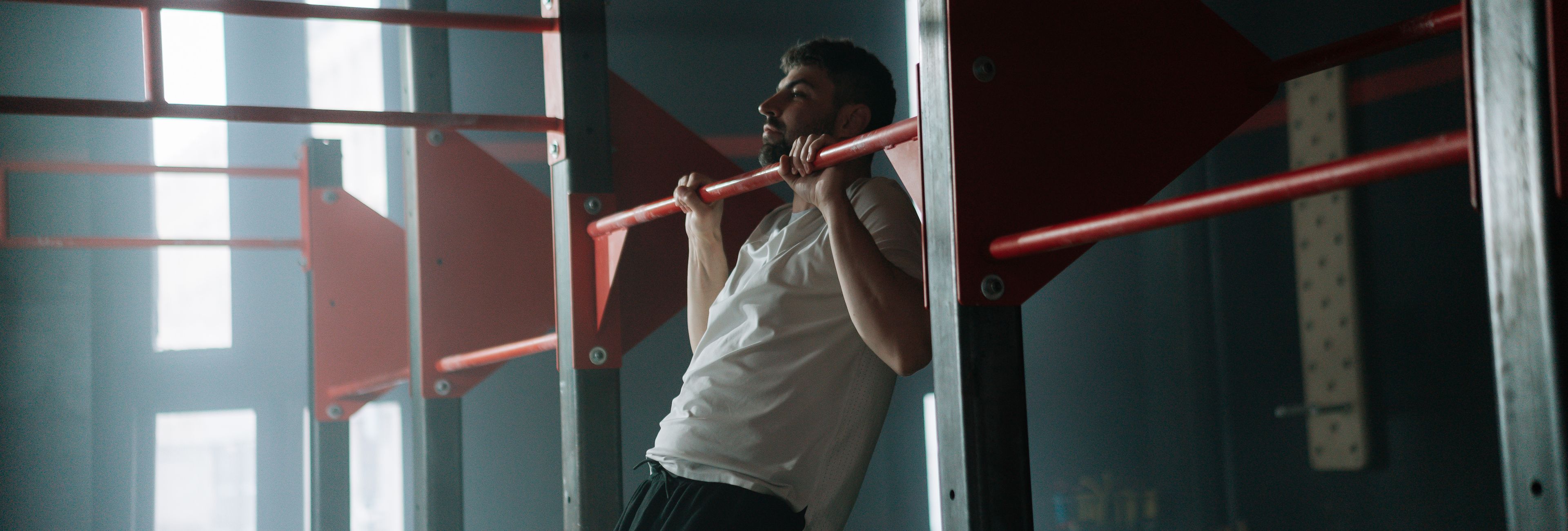
Your Pulling Dominance Is Slowly Breaking You
If you have been climbing for more than a year, your anterior shoulder is probably caved in, your chest is barely visible, and your elbows ache on the regular. You spend session after session crushing pulls, slopers, and crimps. Your back is ridiculous. Your biceps are showy. But your pushing muscles have atrophied into sad, compressed remnants of what they should be. This is not an aesthetic problem. This is a performance and longevity problem that will eventually manifest as tendonitis, shoulder impingement, or some career-ending tweak that could have been prevented with five minutes of antagonist work three times per week.
Antagonist exercises for climbers are not optional accessory work. They are load management. They are joint health maintenance. They are the difference between climbing hard for five years and climbing hard for twenty. The antagonist muscles are the ones that oppose your dominant pulling movement patterns. When you pull, you also need to push. When you engage your lats and rear delts to lock off, you need your chest and anterior deltoids to counterbalance. When you crimp, you need wrist extension strength to balance the flexion load through your forearms.
Most climbers understand this intellectually and do exactly nothing about it. The workout ends, the send feels good, and antagonist training gets skipped in favor of more hangboarding. This is short-term thinking. Your body is not a collection of independent parts. It is an integrated system where muscle imbalances create predictable failure points. Your rotator cuff is being strangled by constant internal rotation from overhanging routes. Your elbow flexors are overdeveloped relative to your extensors. Your thoracic spine is glued in extension because you never flex it. These patterns compound over years until something gives.
Do not let your body become a compensation map of past injuries and structural adaptations that limit you. Antagonist training is how you prevent this. This is not about looking balanced. It is about performing better, staying injury-free, and climbing hard when you are forty.
The Essential Antagonist Exercises That Actually Matter
Not all antagonist exercises for climbers are created equal. The internet is full of lists that include ten variations of the same exercise with slightly different hand positions. Here is what actually works.
Overhead Press is the foundation of your antagonist program. You need a vertical push to balance vertical pulling. Climbers obsess over rows and pull-ups but treat pressing as an afterthought. The overhead press builds anterior deltoid strength that directly counters the rear-dominant posture climbing creates. It also teaches shoulder stability in a fully extended position, which translates to better lock-off endurance and more controlled falling. Use a strict standing press with a barbell or dumbbells. Do not let your lower back hyperextend to cheat the weight up. If you cannot press it strict, you need to use less weight. Three sets of eight to twelve reps twice per week will change your shoulder health within two months.
Push-Ups remain one of the most effective antagonist exercises for climbers because they train horizontal pushing in a movement pattern your body understands. They load the chest, anterior deltoids, and triceps while requiring core stabilization that translates directly to climbing. The key is quality. Full range of motion, chest touching the ground, a clean lockout at the top. No sagging hips. No half reps. If standard push-ups are easy, switch to archer push-ups or one-arm variations to increase unilateral loading. These unilateral variations expose and correct imbalances that bilateral pressing masks.
Tricep Extensions are non-negotiable because your biceps are doing enough already. The long head of the tricep crosses the shoulder joint, which means it functions as both an elbow extensor and a shoulder stabilizer. When your biceps are firing constantly during climbing, your triceps need direct training to maintain balance at the elbow. Overhead tricep extensions with a dumbbell or cable are superior to skull crushers because they lengthen the long head through a full range of motion. This is the muscle you need to protect your elbow from medial epicondylitis, which is the most common overuse injury in climbing.
Wrist Curls sound boring and are often skipped, but they are essential for forearm balance. Climbers have incredibly strong forearm flexors from all the gripping. The extensors that open the hand are underdeveloped by comparison. This imbalance contributes to elbow issues and grip fatigue. Reverse wrist curls with a barbell or dumbbells train the extensors directly. Three sets of fifteen to twenty reps, done at the end of your antagonist session, will pay dividends in grip endurance and elbow health.
Face Pulls are the most commonly recommended antagonist exercise for climbers, and for good reason. They target the rear deltoids, external rotators of the shoulder, and the muscles that retract and upwardly rotate the scapula. Every climbing movement keeps your shoulders internally rotated and protracted. Face pulls counteract this by strengthening the posterior shoulder chain. Use a cable machine or resistance band. Pull to eye level with a rope attachment. Focus on external rotation at the end range. Three sets of fifteen to twenty reps will not feel like much, but the cumulative effect on shoulder health is significant over months.
Plank Variations build anti-extension core strength that balances the constant flexion demands of climbing. When you are hanging on overhanging terrain, your spine is being pulled into flexion by gravity. A strong anterior core prevents this from becoming a structural problem. The standard plank is a starting point. When you can hold it for ninety seconds without your hips sagging, move to a long-lever plank or a ab-wheel rollout for more demanding anti-extension training.
How to Program Antagonist Work Without Losing Your Mind
Antagonist training should never interfere with your climbing performance. This is a common mistake that leads to people cutting the accessory work entirely. The solution is simple: keep antagonist exercises at the end of your session when you are fresh enough to execute them with proper form but depleted enough that they will not add meaningful fatigue that compromises your climbing.
For most climbers, two antagonist sessions per week is sufficient for maintenance. If you are in a heavy training block or returning from injury, three sessions may be warranted. Each session should last fifteen to twenty minutes. This is not a bodybuilding split. You are not trying to build massive pushing muscles that will just get in the way on technical terrain. You are maintaining balance, preventing injury, and keeping your joints healthy. Light to moderate load, higher rep ranges, consistent frequency. This is the prescription.
The ideal placement is after climbing but before you leave the gym. Your body is warm, your joints are mobile, and you can knock out the work before the post-session fatigue sets in. If you climb in the morning, do your antagonist work in the afternoon on the same day. If you cannot manage that, do it the following morning before your next climbing session. The worst thing you can do is schedule antagonist training on days you do not climb, because then it becomes a chore that easily gets skipped when life gets busy.
Volume should be conservative. Three sets of eight to twelve for pressing movements, three sets of twelve to twenty for isolation work like tricep extensions and face pulls. This is enough to maintain balance without creating enough fatigue to compromise your next climbing session. If you finish your antagonist work and feel wrecked, you are doing too much. The goal is balance, not pump.
Progression in antagonist training is slower and less dramatic than in climbing-specific work, and that is fine. You are not trying to set PRs on your overhead press every week. You are trying to maintain a base level of pushing strength that offsets years of pulling dominance. Log your weights and aim for small increases when they come naturally, but do not chase progressive overload aggressively. The goal is durability and balance, not impressive pressing numbers.
What Climbers Get Wrong About Opposite Muscle Training
The biggest mistake climbers make with antagonist exercises for climbers is treating them as optional. They fit them in when they feel like it, skip them when the send felt good, and wonder why they have chronic elbow pain by their third year of climbing. There is no amount of sending that makes antagonist work unnecessary. If anything, the harder you climb, the more important it becomes.
Another common error is doing the wrong exercises for the wrong reasons. Dips and bench press are not ideal antagonist exercises for climbers because they are too specific to non-climbing movement patterns. A heavy bench press will build your chest, but it will not address the shoulder position climbing creates. Overhead pressing and horizontal pushing are more targeted. Face pulls and external rotation work address the specific internal rotation bias of climbing. Choose exercises based on their relevance to climbing movement, not their popularity in general fitness programming.
Some climbers go too far in the opposite direction and start over-emphasizing pushing work to the point where it interferes with their climbing. You are not training for a push-up competition. Your antagonist work should be about 20 to 30 percent of your total training volume, not a second focus. If your pressing numbers are climbing faster than your climbing, you are doing something wrong. The goal is balance, not a dominant pushing apparatus that adds weight and changes your body geometry in ways that reduce your climbing efficiency.
Form breakdown is a third issue that renders the work useless. If you are heaving, swinging, and using momentum to move weight that should be moved under control, you are not training strength or balance. You are training bad habits and exposing yourself to injury. Use a weight that allows you to complete the full range of motion with strict form. This may mean cutting your weight by 30 or 40 percent from what you might press in a standard gym context. Accept it. The adaptation happens at the muscle level, not the ego level.
Finally, many climbers neglect unilateral work. Bilateral pressing and pushing movements are valuable, but they can mask left-right imbalances. Archer push-ups, single-arm overhead presses, and single-leg plank variations reveal asymmetries that bilateral work conceals. Your dominant side will always be stronger, but the gap should be manageable. If it is not, unilateral work exposes the problem and gives you a path to fix it.
Build the Balanced Body That Climbs for Decades
Your climbing longevity is not determined by how hard you can send today. It is determined by how long you can keep sending. Antagonist exercises for climbers are the maintenance protocol that makes decades of hard climbing possible. Your body is a system. Push against it and it will eventually fail at the weakest link. Give it balance and it will reward you with years of consistent performance.
Pick three or four of the exercises covered here. Overhead press, push-ups, face pulls, and wrist curls are a complete starting protocol. Do them at the end of every climbing session, twice per week minimum. Keep the weights honest, the form strict, and the volume moderate. Do not expect dramatic changes in the first month. Expect to notice your elbows hurting less in three months. Expect to notice your shoulders feeling more stable on crux moves in four months. Expect to be climbing harder when you are forty than you are right now, because you built a body that can handle the load.
The climbers who stay healthy for decades are not the ones with the best genetics or the most natural talent. They are the ones who do the boring work that everyone skips. Antagonist training is boring. It does not feel as satisfying as a redpoint. It will not impress anyone at the crag. But it is the difference between climbing your whole life and wondering what happened. Do the work.