Outdoor Climbing Trip Planning: The Complete Preparation Checklist (2026)
Master outdoor climbing trip planning with this comprehensive guide covering gear logistics, weather assessment, route research, and safety protocols for successful crag days.
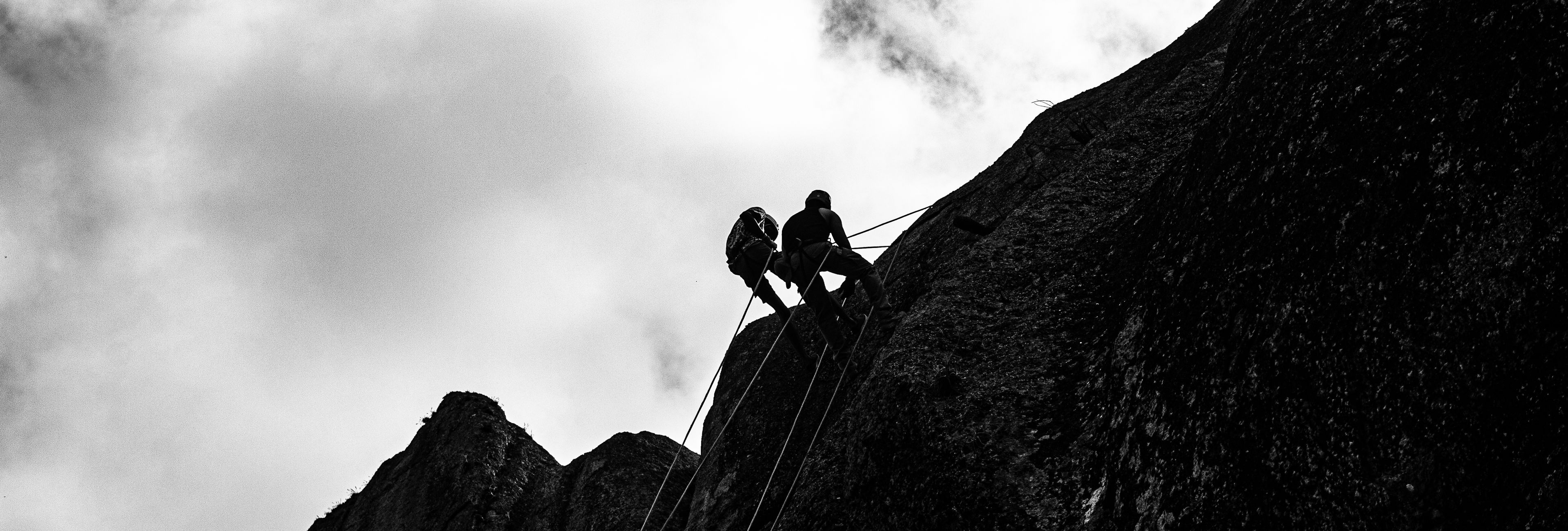
Why Most Outdoor Climbing Trips Fail Before You Leave the Driveway
Your outdoor climbing trip is not a vacation. It is a focused performance block that requires the same deliberate preparation as a competition or a hard redpoint attempt. Most climbers treat trip planning like packing for a beach weekend, and then wonder why they spend three days at the crag fighting jet lag, missing draws, and questioning every decision they made in the parking lot. Outdoor climbing trip planning is a skill. It is a separate discipline from climbing itself, and most climbers have never been taught how to do it properly. If your last three outdoor trips felt disorganized, incomplete, or like you left performance on the table, the problem was not your fitness or your technique. The problem was what happened before you loaded the car.
This is the checklist you actually need. Not the generic gear list you will find on twenty climbing websites that all copied each other. Not the optimistic "bring water and snacks" advice. This is the preparation framework that accounts for the variables that determine whether you send, whether you get hurt, and whether you want to come back. Your outdoor climbing trip planning starts now, and it does not end until you are back home, gear dried, and already planning the next one.
The 72 Hours Before Departure: Final Checks That Separate Prepared Climbers from Amateur Hour
Most climbers do their packing the night before and call it done. You are not most climbers. Your final preparation checklist begins 72 hours before your departure time, and it follows a specific order of operations. First, you check the weather for your destination and the weather along your route. You are not looking at one forecast. You are looking at three different forecast models because a single forecast is a single point of failure. You want to see consistency across multiple models before you commit to any specific plan. If the forecasts are diverging, you build your itinerary around flexibility instead of committing to specific crags or specific days.
Second, you contact whoever you are meeting at the crag. Not a text message. An actual conversation about logistics. Where exactly are you meeting? What time? What happens if one of you arrives and the crag is crowded or wet? You need a backup plan that both parties have already agreed to, not a vague "we will figure it out" that falls apart at 7 AM in an empty parking lot two thousand miles from home. Your outdoor climbing trip planning must account for human variables, and the most common variable that derails trips is poor communication between climbing partners.
Third, you do a physical gear audit. Not a mental checklist. You physically touch every item on your rack, your personal gear, and your shared equipment. Your harness, your belay device, your helmet, your shoes, your chalk bag, your quickdraws, your slings, your carabiners. You are checking for wear, damage, and expiration dates. Soft goods like slings and harnesses have finite lifespans. Most climbers ignore these timelines until they are climbing on gear that is technically retired. If your harness is older than your last relationship, you check the manufacturer's recommendations. If your quickdraw slings are showing any sign of fraying, UV damage, or hard usage, you replace them. The cost of new quickdraws is nothing compared to the cost of an anchor failure.
Fourth, you verify your physical condition. Your hands are your instrument. You are not doing a full hangboard session three days out unless you are trying to be injured. You are doing light movement, mobility work, and maintaining the skin condition that will actually matter when you are cranking on rock. If you have been nursing an injury, you have already made the decision about whether you are climbing through it or resting. That decision should not be made in the parking lot. It should be made weeks ago in consultation with a physical therapist who understands climbing.
Building a Rack That Actually Matches Your Objectives
The most common mistake in outdoor climbing trip planning is bringing either too much gear or the wrong gear. Both problems stem from the same root cause: inadequate route research. Before you pack a single camalot, you know the specific routes you want to climb. You have studied topos, watched belayer POV videos, and read condition reports from the past thirty days. You know what gear the routes require, what the runout sections are, and what the anchor situation looks like. You have a rack list, and you build that list by matching gear to the specific demands of each route, not by bringing your entire closet and hoping something fits.
Your rack should be organized in a way that allows you to access specific pieces without unpacking everything. If you are climbing multi-pitch routes, your gear layout at the base of the climb is not the same as your gear layout for single-pitch sport climbing. You need to think about what stays in the car, what comes to the base, and what comes on the route. For multi-pitch days, you need a dedicated rack bag that keeps your gear sorted by size, a personal anchor system, and a means of organizing your draws so you can find the right piece at the stance without emptying your entire bag onto a four-inch ledge.
Redundancy planning is not optional. You need a backup belay device. You need a backup belay glove. You need a backup headlamp if you are climbing anything with potential for simul-climbing or long rappels. You need a backup method for anchoring yourself at any belay stance. The backup does not need to be as comfortable or as optimized as your primary system. It needs to be adequate. A $15 passive belay device in your pack is not sexy, but it is the difference between a manageable emergency and a catastrophic one. Your outdoor climbing trip planning should treat redundancy as a non-negotiable, not as optional paranoia.
Bring the right shoes for the rock. This sounds obvious, but it trips up more climbers than you would believe. If you are climbing on sandstone, you need shoes with softer rubber that can mold to the rock surface. If you are climbing on granite, you need shoes with more structural support that can handle smearing on slab. If you are climbing on limestone, you need shoes with aggressive downturns and precision edging. Your everyday sport climbing shoes are not always the right shoe for the specific stone you are traveling to climb. Research the rock type at your destination, talk to climbers who have been there recently, and make an informed decision about what shoes you are bringing and whether you need multiple pairs.
The Logistics Layer Most Climbers Completely Ignore
Your climbing gear matters, but your non-climbing logistics matter just as much, and most climbers treat them as afterthoughts. Water is the most obvious one. How much water you need depends on the climate, the altitude, and the duration of your climbing day. A general rule is one liter per person per two hours of climbing in moderate temperatures at low elevation. Triple that estimate for desert environments or high altitude where dehydration happens faster than you realize. You are not drinking water because you are thirsty. You are drinking on a schedule because by the time you feel thirsty, you are already behind on hydration.
Food planning is equally critical and equally neglected. You need calories before you climb, calories during climbing, and calories after climbing. Your body cannot perform on an empty tank, and you cannot maintain concentration and decision-making quality when your blood sugar is crashing. Bring more food than you think you need. Bring food that you actually want to eat, not just trail mix and energy bars. Climbing at elevation or in extreme heat burns significantly more calories than you think it does, and poor nutrition is a direct cause of degraded performance, increased injury risk, and bad decisions on the wall.
Transportation logistics include your vehicle, your route to the crag, and your contingency plans if something goes wrong. You need to know the road conditions for your approach drive, especially if you are traveling to mountain environments or areas with seasonal access closures. You need to know the parking situation at your destination, including whether you need a permit, a reservation, or a shuttle. You need to know the cell service situation because if something goes wrong, your communication options depend entirely on whether you can reach emergency services. Some of the best crags in the country have zero cell service. That is not a problem if you have accounted for it before you arrive. It is a catastrophe if you find out when you are hanging from a stuck rappel with a broken ankle.
Sleep logistics are underrated. If you are flying to your destination, you are arriving already fatigued. If you are driving more than six hours, you are arriving fatigued. Build a rest day into your itinerary before you plan to climb your hardest routes. Your body needs time to adapt to the altitude, the climate, and the timezone if applicable. Climbing hard on day one because you are excited and then spending the rest of the trip injured or burned out is not a trip plan. It is an impulse. Your outdoor climbing trip planning must account for recovery time, and that recovery time is not wasted climbing days. It is investment in the days that matter.
Physical and Mental Preparation That Actually Transfers to the Rock
Your fitness preparation for an outdoor climbing trip should be specific to the demands of the routes you are planning. If you are climbing endurance-focused sport routes, your training should prioritize endurance capacity in the six weeks leading up to your trip. If you are climbing technical slab, your training should prioritize footwork precision and balance. If you are climbing steep power routes, your training should emphasize finger strength and power. Generic climbing fitness does not prepare you for specific objectives. Specific preparation prepares you for specific objectives, and the specificity of your training determines the specificity of your performance.
The mental preparation component is separate from physical preparation and just as important. Outdoor climbing is not indoor climbing. The holds are not colored. The protection is not pre-placed. The consequences of failure are different. If you are spending most of your climbing time in a gym and you are traveling to an outdoor crag, you need to prepare yourself for the cognitive demands of route reading, the commitment required for lead climbing on unfamiliar stone, and the emotional regulation skills necessary to manage fear and uncertainty without freezing. This is not a personality trait. This is a skill set that you can develop through deliberate practice, and you should be developing it before you arrive at the crag, not during your first day of climbing.
Visualization is a tool that most recreational climbers dismiss as too abstract or too soft. It is neither. Elite performers across all disciplines use visualization because it works. Before your trip, spend time visualizing the specific routes you plan to climb. See the moves. Feel the holds. Imagine the exposure. Picture yourself managing the crux section, the rest stance, and the anchor setup. Your nervous system does not fully distinguish between visualized movement and executed movement, which means that visualization creates neural pathways that your body will recognize when the actual climbing happens. This is not magic. This is neuroscience, and it is one of the highest ROI activities you can add to your preparation routine.
The Details That Determine Whether You Come Back
Skin management is a detail that separates climbers who perform consistently over a multi-day trip from climbers who flash hard on day one and spend the rest of the trip with shredded fingertips. Your skin condition at the crag depends on your skin condition before the trip. You should be climbing on rock before you leave if at all possible, even if it is just a few outdoor sessions at a local area. The specific demands of outdoor rock are different from indoor holds, and your skin needs time to adapt. Bring multiple pairs of climbing shoes so you can rotate them and allow each pair to dry completely between sessions. Bring a skin care kit that includes tape, compound tincture, a pumice stone, and a quality moisturizer for after climbing. Your skin is the interface between you and the rock. Neglect it, and the rock will remind you.
Leave no trace protocols are not optional. The climbing community has earned access to most of the land we climb on through decades of careful stewardship, and that access is contingent on our continued behavior. You need to know the specific regulations for your destination, including whether dogs are allowed, whether fires are permitted, and what the parking and camping restrictions are. You need to pack out everything you pack in, including banana peels and apple cores that do not decompose as quickly as people think they do at altitude. You need to use established trails and avoid creating new ones. Your outdoor climbing trip planning includes your environmental ethics, and those ethics reflect on every climber who comes after you.
Post-trip debrief is the step that most climbers skip, and it is the reason they repeat the same mistakes on every trip. Before you unpack your car, before you throw your gear in a pile to deal with later, you sit down and write out what worked and what did not work. What gear did you wish you had? What gear did you bring and never use? What food was calorically dense enough for the effort level? What clothing decision paid off? What would you change about your training, your nutrition, your partner communication, your route selection? This debrief is not a journal entry. It is a data collection exercise that feeds directly into your next trip planning cycle. Your outdoor climbing trip planning improves only if you systematically capture what you learn and apply it.
The climbers who consistently perform well on outdoor trips are not inherently more talented than anyone else. They are better prepared. They have internalized that the climb itself is only a fraction of the total effort, and that the preparation, the logistics, and the recovery are equally important components of the whole. You can have world-class finger strength and still have a mediocre trip if you show up dehydrated, sleep-deprived, with the wrong shoes and a rack that does not match the route. Or you can be a competent climber with excellent preparation who sends consistently because you have eliminated the variables that cause most climbers to fail. Your next outdoor climbing trip starts now. Not when you load the car. Now.