Outdoor Climbing Safety Checklist: Essential Tips Before Your First Send (2026)
Master outdoor climbing safety with this comprehensive checklist covering essential gear verification, weather assessment protocols, and emergency preparedness for beginners transitioning from the gym.
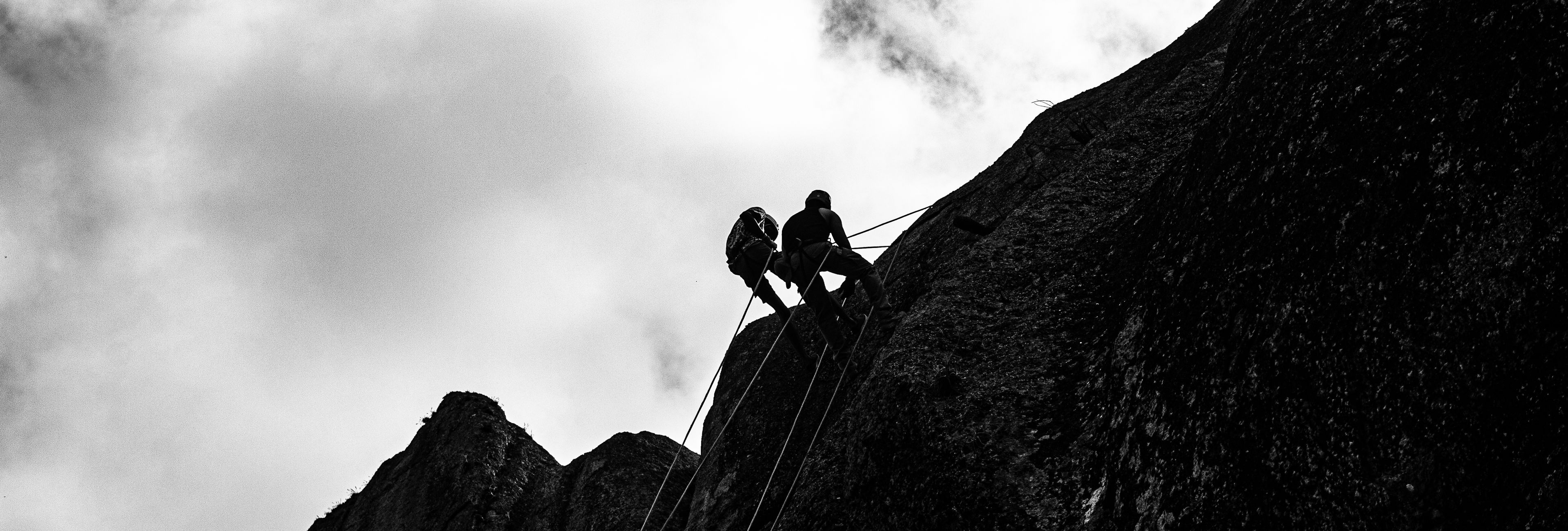
Outdoor Climbing Safety Starts Before You Leave the House
You cannot check your rack at the crag. You cannot borrow someone else's belay device when you realize yours is still on the kitchen counter. Outdoor climbing safety is not something you practice at the cliff. It is something you practice three days before you drive to the cliff, in your living room, with a checklist and a clear head.
Most accidents in outdoor climbing do not happen because the route was too hard or the holds were worse than they looked. They happen because someone skipped a step. Someone forgot to tie in. Someone assumed their harness buckle was fine because it looked fine. Someone did not check the weather because the morning sky was blue and they were already running late.
The outdoor climbing safety checklist below is not a suggestion. It is the minimum viable standard for anyone stepping off rock gym mats and onto real stone for the first time. If you are planning your first outdoor send, copy this list. Memorize it. Do not skip anything.
Pre-Trip Planning and Communication
Before you load your car, before you check the weather app, before you text your partner that you are leaving, you need to know where you are going and what you are walking into. Outdoor climbing safety begins with information, not equipment.
Research your destination thoroughly. Read multiple sources about the approach, the descent, and the specific route you intend to climb. Know whether you are hiking 20 minutes on a marked trail or 90 minutes through unmarked terrain with a 20-pound rack on your back. Know the descent route before you leave the ground. Walking off a cliff because you cannot find the rappels is not a hypothetical problem. It happens to climbers every season.
File a trip plan with someone who is not climbing with you. Write down the crag name, the parking location, your expected return time, and the names of everyone in your group. Tell this person what to do if they have not heard from you by a specific time. This is not paranoia. This is the protocol that saves lives when someone takes a long fall and the group is too shaken to make good decisions about calling for help.
Check the weather forecast for your specific location, not just your city. Mountain weather changes faster than you think. A clear morning can become afternoon thunderstorms with 50 mph gusts before you reach the anchors. Know the forecast for the entire time you plan to be at the crag, not just the drive over. If thunderstorms are forecast, do not convince yourself they will pass. Move your trip or go home.
Essential Gear Inspection Protocol
Every piece of equipment that touches your harness or your rope needs inspection before you leave. This is not optional. This is not something you do quickly while your partner is loading the car. You do this methodically, one item at a time, with your hands and your eyes.
Start with your harness. Check every strap, every buckle, every stitching line. Look for fraying, melting, UV damage, and cracks. Buckles that have been double-backed correctly should not slip under load. If you cannot remember whether you double-backed a buckle, re-thread it and double-back it now. A harness with a compromised buckle is a death trap. There is no middle ground here.
Inspect your rope if you are bringing one. Feel the sheath for flat spots, abrasions, or areas where the core is visible. Check the middle marker. If the rope has been stored wet, has visible sheath slippage, or has been sitting in direct sunlight on a car roof for months, retire it. Ropes are cheap compared to your spine.
Your belay device needs attention too. Check the cam mechanism for wear, any nicks or burrs on the metal, and smooth operation of the spring. Autoblocking devices have specific inspection criteria from the manufacturer. Read them. If your device has been dropped onto rock from height, inspect it closely or retire it. Impact damage is not always visible.
Your quickdraws require a full inspection of each gate, each dogbone, each stitching line. Bent gates, worn noses, frayed dogbones, and compromised rivets are all grounds for retirement. One bad quickdraw on a runout slab is all it takes.
Your helmet is not optional. I know there are climbers who refuse to wear them. Those climbers have not watched a rock fall remove a climber's ability to make decisions about their own rescue. A helmet must fit correctly, have intact foam, and have no cracks or dents. If it has taken an impact, retire it regardless of how it looks.
Site-Specific Hazard Assessment
When you arrive at the crag, the outdoor climbing safety work is not finished. It is actually just beginning. The parking lot inspection, the gear check, the weather forecast none of it matters if you do not assess the specific conditions at the specific cliff on the specific day you are climbing.
Walk the approach before you start climbing. Look for loose rock, unstable terrain, and any signs of recent rockfall. Check above your intended route for bomber ledges that might shed rock when stepped on and for any suspect blocks that could wobble. If you see a chokestone that looks like it is being held in place by gravity alone, do not climb beneath it.
At the base of the route, assess your landing zone. Know what you will hit if you fall at every point on the route. Boulder fields, ledges, trees, and water are all landing hazards that change how you should approach the climb. If your landing zone is bad, climb with more control and communicate that to your belayer.
Check the fixed anchors before you clip them. Look for rust, wear, looseness, and whether they are the appropriate type for the rappel or top rope setup you need. If an anchor looks sketchy, do not use it. Build your own or find a different route.
Know your rappels. If you are descending by rope, you need to know whether a single 60-meter rope reaches or whether you need two ropes. You need to know where the rappel station is, whether there is any rope-cutting hazard like sharp edges or flake, and whether you have enough slings or cordalette to extend your rappel anchors properly.
Communication Systems and Belay Protocols
Outdoor climbing safety depends on clear, consistent communication between you and your belayer. The communication system you use at the gym does not automatically translate to outdoor climbing. Wind, distance, and ambient noise all degrade your ability to hear your partner.
Establish your commands before you leave the ground. On belay, climbing, falling, slack, tension, take, rope up, and off belay are the minimum. If you cannot hear your partner clearly, stop climbing and fix the problem. Do not assume they said what you think they said.
Your belayer needs to be attentive in a way that is different from gym belaying. At the gym, there are padded floors, low consequences for a dropped climber, and staff who can help if something goes wrong. At the crag, a dropped climber hits rock. Your belayer needs to be present, focused, and ready to catch you at any moment.
Discuss the route with your belayer before you start. Tell them about the cruxes, the ledges, the rests, and the places where a fall would be problematic. Your belayer cannot manage the catch if they do not know what is coming. A dynamic belay on a ledge-heavy route might mean taking a longer fall than you expect. A static belay on a runout slab might mean decking if you fall at the wrong moment. Plan this together.
Emergency Protocols and First Aid
If something goes wrong at the crag, your ability to respond depends entirely on preparation you did before you left home. Outdoor climbing safety is a system, and the emergency response is the last component of that system.
Carry a first aid kit. Not a minimal kit, not a kit that is three years old with dried out bandages and single-use items that have expired. Carry a real first aid kit with blister care, wound closure strips, pain management, and the supplies to stabilize a suspected spinal injury until professional help arrives.
Know how to call for help from your location. Cell service is not guaranteed at most outdoor crags. Carry a personal locator beacon or satellite communicator if you are going to a remote area. Program the local rescue number into your phone before you leave. In many areas, you cannot rely on 911 reaching the correct agency quickly.
Have a plan for the most common outdoor emergencies. Belay device failure, leader falls off route, stuck rope requiring rescue, and partner injury are all scenarios you should have discussed before you started climbing. If your partner hits the ground and does not move, what do you do? Who calls? Who stabilizes the patient? Who deals with the rope? These are not questions you want to answer for the first time after the accident.
Carry enough water and food for the entire day plus a two-hour emergency buffer. Heat exhaustion and dehydration impair judgment faster than most climbers expect. If you are running low on water and the route is not done, go down. There is no send worth a hospital visit.
The Bottom Line on Outdoor Climbing Safety
Outdoor climbing is not dangerous because it is outdoor climbing. It is dangerous because it exposes you to consequences that the gym filters out. A forgotten knot, a bad belay, a loose rock, a surprise storm these are not exotic edge cases. They are the actual causes of the actual accidents that happen to actual climbers every season.
Your first outdoor send will be better if you are not dealing with preventable problems. If you arrive at the crag with checked gear, a plan, clear communication, and the supplies to handle an emergency, you can focus on climbing. If you arrive with half-assed preparation and the attitude that it will probably be fine, you are not ready to climb outdoors.
The checklist is not complicated. It is just long. Work through it every time, without exception, and you will not be the climber who made the news for the wrong reasons. Be the climber who comes home, posts a photo of the send, and does it again next weekend. That is the only acceptable outcome.