Outdoor Climbing Recovery: Proven Strategies After a Day at the Crag (2026)
Learn the best outdoor climbing recovery techniques including post-session nutrition, active recovery methods, and skin care tips to send harder on day two at the crag.
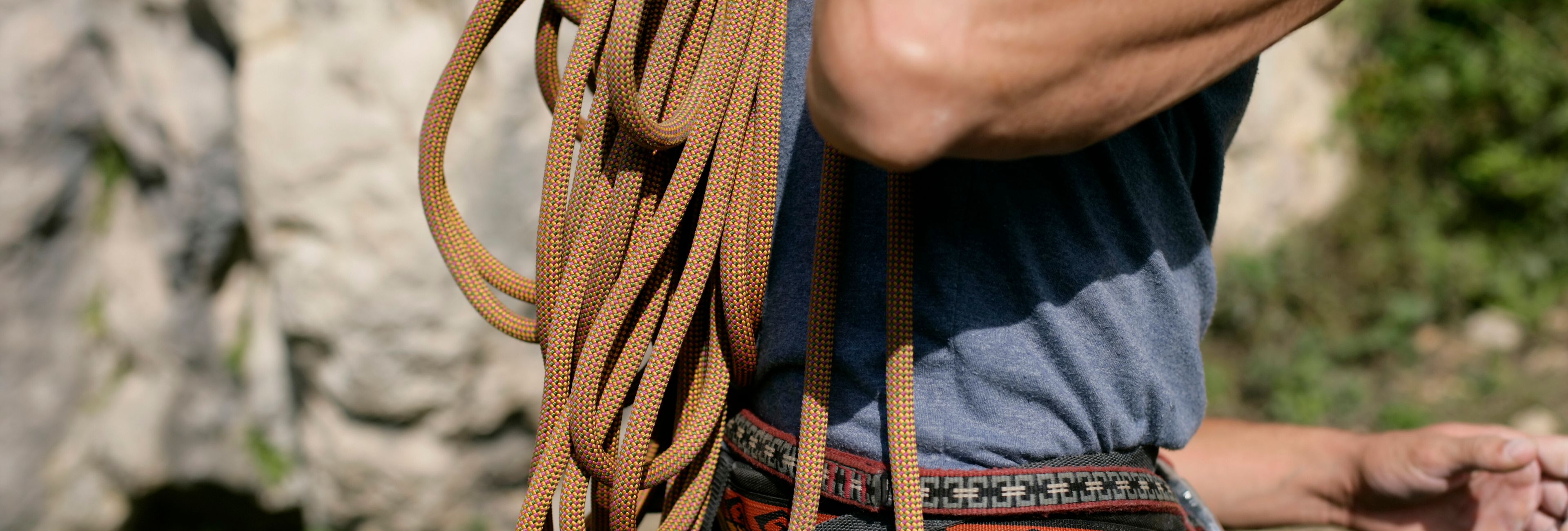
The First Hour After Your Last Runout Defines Your Next Day
You just finished a long day at the crag. Your fingertips are raw, your forearms feel like they have been dipped in acid, and you are already thinking about the routes you did not send. The car is a quarter mile down the trail. Most climbers grab their gear, eat a protein bar in the parking lot, and drive home. Then they wonder why they feel wrecked for three days. The hour after your last climb is when your body begins the process of repairing climbing-specific damage. How you handle that window determines how fast you recover, how strong you feel on your next session, and whether you are building resilience or accumulating injuries.
Outdoor climbing recovery is not complicated but it is specific. You are not recovering from a generic workout. You are recovering from a session that loaded your fingers in extreme positions, stressed your elbows and shoulders through marginal holds, taxed your core stability on technical sequences, and challenged your proprioception on real rock with real consequences. Your recovery protocol needs to match that specificity. Chugging a mass gainer shake and calling it done is not a recovery protocol. It is a missed opportunity.
Start with the obvious. You need to move. Sitting in your car for two hours after climbing is the single worst thing you can do for recovery. When you stop moving, blood pools in your lower extremities, metabolic byproducts linger in your forearms and finger tissue, and your sympathetic nervous system stays elevated. Walk the quarter mile to your car. Not fast. Not for exercise. Just walk. The muscle pump from active recovery is the most effective immediate tool you have. It is free, it requires no equipment, and every climber who skips it is leaving performance on the table.
Protein Timing Is Not Optional If You Climb More Than Twice Per Week
Your body has a limited window after intense physical demand where it is particularly efficient at shuttle ing nutrients into damaged tissue. This is not bro science. Muscle protein synthesis rates peak approximately two to three hours after mechanical loading and dietary protein intake. If you are climbing on consecutive days or running a training cycle with multiple sessions per week, ignoring this window compounds. You are not rebuilding fully between sessions. You are slowly accumulating a deficit that manifests as persistent fatigue, nagging elbow pain, and a ceiling on your strength gains.
For outdoor climbing specifically, your protein needs are higher than indoor climbing because the demands are more varied and the recovery stress is greater. When you are working technical sequences on unpredictable rock, you are loading tissue in ways that create microtrauma across your entire upper body, not just your forearms. Your recovery nutrition needs to account for this broader demand. Aim for twenty to thirty grams of high quality protein within ninety minutes of your final descent. Whey, egg, or complete plant based sources work. The amino acid profile matters more than the source. leucine is the primary trigger for muscle protein synthesis. If your post crag meal is a gas station sandwich and a soda, you are setting yourself up for slow recovery regardless of how strong you felt during the climb.
Carbohydrate replenishment matters equally. Your glycogen stores are depleted after a full day of climbing, especially if the day involved multiple burns on hard routes or sustained effort on long moderate terrain. replacing those stores accelerates recovery by reducing the metabolic stress your body experiences during the repair phase. Combine your protein source with carbohydrates from real food. Rice, potatoes, fruit, bread. This is not the time to fear carbohydrates. Your body needs them to rebuild, and outdoor climbing is a high energy demand activity that rewards athletes who refuel adequately.
Hydration is the third pillar and the one most climbers neglect. You have been sweating, often in hot conditions at sun exposed crags, for hours. Your sodium levels are likely depleted, your plasma volume is reduced, and your nervous system function is compromised. Drink water with electrolytes. Not just water. Plain water in large quantities can actually dilute sodium levels further if you have been sweating heavily. A pinch of salt in your water bottle, an electrolyte tablet, or a natural electrolyte solution addresses this directly. Symptoms like headache, fatigue, and weakness that climbers attribute to being tired are often dehydration and electrolyte depletion. Address this before you drive home.
Sleep Is Where Your Actual Climbing Adaptation Gets Built
You can nail every other aspect of outdoor climbing recovery and still plateau if you are sleeping poorly. Sleep is not passive rest. It is an active biological state where tissue repair, hormone regulation, and neural consolidation occur at rates impossible to replicate when you are awake. Human growth hormone secretion peaks during deep sleep cycles. Cortisol regulation improves with consistent sleep timing. The glymphatic system, which clears metabolic waste from the brain and central nervous system, is most active during sleep. If you are climbing hard outdoors and sleeping five hours a night, you are sabotaging your recovery at the cellular level.
Outdoor climbing adds a layer of complexity to sleep because it often involves travel, camping, altitude, temperature extremes, and disrupted routines. You might be sleeping on a foam pad at a crag camping area or in a cheap motel after a long drive. These conditions are not optimal but they are manageable if you prioritize sleep hygiene during your crag trips. Earplugs block wind noise and late night crag neighbors. A quality sleeping bag rated for the temperature you will actually encounter prevents the shallow, fragmented sleep that comes from being cold. Consistency in your sleep schedule, even when traveling, matters. Your body does not reset its recovery processes because you are in a different location.
For climbers running multiple outdoor days in a row, the quality of sleep on intermediate nights becomes critical. This is where most recreational climbers break down. They climb hard on Friday, stay up late Saturday, wonder why Sunday feels terrible, and then spend the next week feeling off. The solution is not complex. Protect your sleep. Eight hours minimum. No screens for an hour before bed. Consistent bedtime. This is basic but most climbers ignore it because they are more focused on sending than on recovering.
Active Recovery and Tissue Work: Moving Without Destroying
The term active recovery is overused and often misunderstood. Active recovery for climbing does not mean doing a second climbing session at low intensity. It means moving in ways that increase blood flow to recovery demanding tissue without creating additional mechanical stress. Gentle walking, easy swimming, yoga flows that do not load your fingers, and light mobility work all qualify. The goal is to increase circulation without increasing damage. This sounds simple but many climbers either do not do it or they overdo it.
After a full day of cragging, your forearms and finger tissue have absorbed significant mechanical loading. A light forearm washout with a lacrosse ball or therapy ball, targeting the extensors and the fascial lines that run from your fingers to your elbow, can accelerate the removal of metabolic waste products. Do not aggressively massage your finger flexors. They have been working all day. Compressing them further can increase inflammation. Work the antagonist muscles. Your extensors, your biceps, your shoulders. This balances the mechanical load and reduces the tension that leads to elbow issues like lateral epicondylitis.
Mobility work should address the joints most stressed by climbing. Your shoulders, elbows, wrists, and hips all undergo extreme ranges of motion during climbing that indoor wall climbing does not fully replicate. Outdoor routes often require deeper shoulder flexion on gastons, extreme wrist extension on underclings, and hip internal rotation on stem sequences. After a long day, these tissues are shortened and tight. Gentle static stretches held for thirty to sixty seconds, targeting the posterior chain and the shoulder capsule, help restore length. Do not stretch cold tissue. This is a common mistake. Warm up slightly first or save stretching for after a hot shower when tissue is more pliable.
Heat versus cold is a debated topic in climbing recovery and the answer depends on your goals. Cold immersion reduces inflammation and numbs pain but also reduces blood flow to the tissue, which may slow the repair process if used immediately after climbing. Heat increases blood flow, promotes tissue elasticity, and supports the inflammatory process that is necessary for repair. For outdoor climbing recovery, a warm shower or bath followed by gentle movement is more effective than ice baths unless you have acute tissue damage. Reserve cold for situations where you need to reduce swelling from an acute injury or where inflammation is interfering with basic function.
Building a Sustainable Outdoor Climbing Recovery Protocol
Recovery is not a single action. It is a system. The climbers who perform consistently over seasons and years are not those who have the best genetics or the most natural talent. They are those who have built a recovery protocol that matches their climbing volume and actually executes it. This means being honest about your current training load and designing recovery that matches it, not the recovery protocol of someone who climbs twice as much.
Start with assessment. Before you design your protocol, you need honest data. How do your elbows feel after a hard outdoor day? How is your sleep quality? Are you waking up with finger stiffness that persists past morning? These are signals your body is sending about recovery adequacy. If your elbows ache for three days after cragging, your current protocol is insufficient. You need more sleep, better nutrition, more aggressive tissue work, or a reduction in climbing volume. Probably some combination.
Progressive recovery applies here just like progressive loading applies to training. If you are new to consistent outdoor climbing, start with one day per week and build from there. Your body needs time to adapt to the demands of real rock, which includes longer routes, more technical movement, and the mental stress of leading and falling in outdoor environments. Trying to jump from weekend warrior to five days per week of outdoor climbing will break you. Tissue adaptation takes months. System recovery takes weeks. Do not rush it.
Listen to the difference between productive fatigue and pain. Muscle soreness is normal. Joint pain is not. Nerve sensations in your fingers, especially numbness or tingling, warrant attention and often rest. If something feels wrong beyond normal climbing fatigue, back off. The climbing community has a culture of pushing through discomfort that serves no one except surgeons. One week of rest when something feels wrong beats three months of rest when something actually breaks.
Outdoor climbing will rebuild you in ways indoor climbing cannot. The terrain is unpredictable, the sequences are creative, and the commitment required is mental as much as physical. Your recovery protocol is what allows you to keep experiencing that. Treat it with the same seriousness you treat your climbing. Eat the food. Sleep the hours. Move the body. Your next day at the crag depends on what you do in the hours after you leave it.