Outdoor Climbing Gear Checklist: What to Bring for Your First Crag Day (2026)
Complete outdoor climbing gear checklist covering essential equipment, safety items, and pro tips for your first outdoor climbing adventure. Never forget critical gear again.
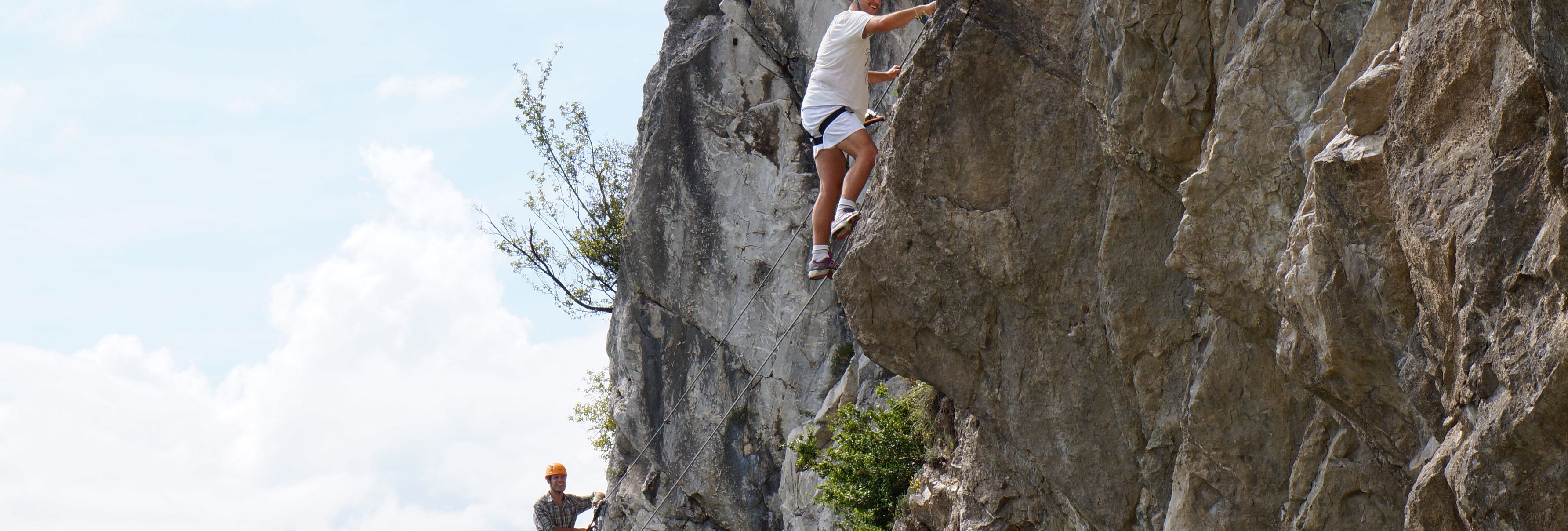
Your First Day at the Crag Is Not a Gym Session With Better Views
Walking into your first outdoor crag with nothing but gym confidence is how people get hurt, get lost, or get rescued. Outdoor climbing gear is not an accessory to your sending ability. It is the foundation that lets you focus on the rock instead of your own poor planning. The crag does not care that you flashed V6 in the gym. The crag cares whether you know how to build an anchor, read a runout, and manage your own safety when no staff member is watching. This checklist is not about loading up every piece of equipment you could possibly need. It is about knowing what belongs in your pack and why. The difference between a competent outdoor climber and a liability at the base of a route is almost entirely preparation.
If you are joining a more experienced party, your job is to show up with the basics and keep your mouth shut when it is time to learn. If you are leading the group, you have no excuse for missing anything on this list. Read it twice. Pack it the night before. Check your partner's gear too because your life depends on their equipment just as much as your own. Outdoor climbing rewards preparation and punishes assumption. Every piece of gear on this list earned its place through real consequences.
The Non-Negotiables: Climbing Hardware and Rope
Your rope is the most expensive thing in your pack and the first thing people check when they judge your seriousness. For cragging days where you are primarily top-roping or following on moderate routes, a 60 or 70 meter rope covers almost every situation you will encounter in North America and Europe. Do not buy a 40 meter rope because it was cheap. A rope that is too short means you cannot reach the top of half the routes at your crag, and you will be that person asking to borrow someone else's line. Get a dry-treated rope if you climb anywhere with moisture in the air, on rock that sweats, or in the morning when dew is on everything. Wet rope is heavy, awkward to manage, and significantly weaker than dry rope. That is not marketing language. That is material physics.
Your harness must fit properly and it must be designed for climbing, not borrowed from a gym. Climbing harnesses distribute force across your waist and leg loops to protect your internal organs during a fall. Fashion harnesses, improvised gear, and gym-only rigs do not do this. Try harnesses on with shoes on because your foot volume affects how you stand and shift your weight. The buckle on your leg loop must pass through the belay loop correctly and sit flat against the webbing. A twisted buckle is a buckle that could open under load. Check it every single time you put the harness on, before you leave the ground, and before your partner leaves the ground. This takes three seconds and it prevents catastrophic equipment failure.
A locking belay device is not optional. There are two general categories and you need to know which one you own and how it works. Assisted-braking devices like the Petzl GriGri engage automatically when a climber falls and the rope is pulled through quickly. Tube-style devices like the Black Diamond ATC require constant attention and proper technique to manage a falling climber safely. Either works fine if you know how to use it. Neither works if you learned on a gym wall where staff manage every variable for you. If you do not know how to lower a climber smoothly, catch a fall without yanking, and manage rope drag on a long route with your specific device, practice at ground level before you climb. The crag is not the place to discover gaps in your belay technique.
Quickdraws connect your rope to the bolt or piece of gear you are clipping. For most cragging days, eight to twelve quickdraws cover you for routes up to about 100 feet. Your draw count depends on route length and bolt spacing. If you are following a more experienced climber, ask how many draws they recommend. If you are placing your own draws, count your bolts and add two extras because you will want a draw for the anchor and you will drop something at least once. Use draws with a solid gate on the bolt side and a wire gate on the rope side for most conditions. Wire gates weigh less and are less likely to freeze open in cold conditions. Solid gates are marginally more durable. Either works. Carrying a mix is not a bad strategy.
Protection and Anchoring: The Gear That Keeps You Alive
Passive protection, meaning cams and nuts, is what you place in rock features to create points of attachment between your rope and the wall. If you are following on a sport route, the leader places the protection and you follow on the rope. If you are climbing in an area where bolts are sparse or nonexistent, you need a rack of cams and nuts that matches the crack sizes you expect to encounter. Buying a full rack before you need it is expensive and unnecessary. Renting from a local gear shop or borrowing from a mentor is the smart move for your first season. Learn what each piece does, how it seats, and how it fails before you trust your life to it.
Cams come in specific size ranges and each brand fits slightly differently. A number three Camalot is not the same as a number three Wild Country Friend or number three DMM Dragon. Know your gear, know its rated strength, and know its limit. Cams with flexible stems are easier to place in irregular cracks. Cams with rigid stems are more accurate and less likely to walk, but they are harder to fiddle into flared placements. For general cragging, a set from 0.3 to 3 covers most situations at most popular cliffs. If you are climbing in Indian Creek, you need double and triple sets of thin sizes and nothing else. If you are climbing in The Gunks, you need finger and hand-size cams almost exclusively. Match your gear to your destination.
Your anchor building kit should contain cordelette, webbing, anchormaster locking biners, and a basic understanding of equalization. A cordelette is 7mm or 8mm accessory cord cut to about 20 feet, knotted at one end to create a master point. This is the anchor system that most climbers learn first and the one that still works for 95 percent of situations you will encounter. Two slings clipped to two bolt hangers and tied off to a master point gives you a stable, redundant anchor that holds any reasonable fall. Do not build anchors with your PAS (personal anchor system) unless you understand exactly how that system functions under load. A PAS used incorrectly is an anchor that could shock-load and fail. Knowledge is the piece of gear that prevents every equipment-related accident. Buy the gear. Learn the systems.
Footwear, Clothing, and Weather Management
Your climbing shoes are not hiking shoes and your hiking shoes are not climbing shoes. If you are approaching a crag that requires a significant hike, wear sturdy approach shoes to the base, then change into your climbing shoes for the route. Climbing in worn-through hiking shoes is a liability. Your foot needs support on uneven terrain and protection from sharp rock. Your climbing shoe needs a downturn and sticky rubber that grip the stone. These requirements are not compatible in a single shoe. Accept the extra weight in your pack and the thirty seconds to switch at the base.
Layering for outdoor climbing is an art form and most beginners get it catastrophically wrong. The crag microclimate can shift from cold and damp in the shade to brutal heat in full sun within the span of two routes. A base layer that wicks moisture, a mid-layer that insulates when damp, and a shell that blocks wind and light precipitation is the standard setup. Merino wool works better than synthetic for multi-day trips because it resists odor. Synthetic works fine for a single day and costs less. Do not wear cotton. Cotton holds moisture against your skin, cools you rapidly when the wind picks up, and provides zero insulation when wet. Climbers have died from cotton-related hypothermia in conditions that did not seem dangerous. That is not an exaggeration and it is not ancient history.
Sun protection is outdoor climbing gear. Full stop. At altitude or in equatorial latitudes, the sun is significantly more intense than your skin is prepared for. A long-sleeve sun shirt, broad-brimmed hat, and zinc-based sunscreen applied thirty minutes before exposure and reapplied every two hours is the baseline. Sunglasses are not optional. Squinting through a route clouds your judgment and burns your corneas over a lifetime of UV exposure. Carry a small first aid kit with ibuprofen, athletic tape, blister treatment, and antiseptic for the cuts that will happen when you grab a hidden shard or scrape your shin on a mantle. Your body is your most valuable piece of gear. Protect it.
Food, Water, and the Logistics Nobody Talks About
Dehydration ruins climbing performance faster than any other controllable variable. By the time you feel thirsty, you are already behind on fluid balance. Drink before you are thirsty. For a full day at the crag, plan on at least two liters of water per person, more if temperatures exceed 80 degrees or humidity is high. Electrolyte mix is not a luxury. It is a replacement for what you lose through sweat, and sodium depletion causes cramping, confusion, and in extreme cases seizures. Bring more food than you think you need. Climbing at your limit burns calories faster than most people expect. A banana and a granola bar is not a lunch. Eggs, complex carbohydrates, healthy fats, and real protein keep your blood sugar stable and your grip strength intact through a full day of effort.
Pack out everything you carry in. This is not a suggestion and it is not negotiable. The climbing community has fought for decades for access to crags, and irresponsible users who leave tape, wrappers, food scraps, and broken gear at the base have closed more cliffs than any natural erosion. Bring a small trash bag and commit to leaving the crag cleaner than you found it. Chalk balls are banned at many areas because the dust and organic residue damage sensitive rock formations and pollute water sources. Read local ethics before you arrive and respect them without being asked.
A physical guidebook, a downloaded topo on your phone, or a printed beta sheet from Mountain Project is essential navigation for any crag you have not visited repeatedly. The route you think is a 5.10 might be the 5.12 next to it. Bolt spacing, anchor location, and descent information are not things you want to guess at after you have committed to a route. Flashlight or headlamp belongs in every crag pack even if you plan to be done by dark. Spelunking down a dark chimney to retrieve a stuck draw or navigating a tricky descent by moonlight with a failing phone battery is an avoidable situation. Carry the light.
The Gear Nobody Tells Beginners to Bring
A small roll of tape fixes more problems at the crag than any single piece of climbing hardware. Tape your ankles before they swell on long routes. Create a hasty sling from webbing when a quickdraw is in the wrong position. Fashion a chock from wrapped tape when you need one more piece of protection and nothing else fits. Tape is light, cheap, and endlessly useful. Carry thirty feet of 1mm accessory cord in addition to your main rope. This small loop of cord serves as a prusik loop for self-rescue, a backup tie-in, a way to extend a rappel, and about forty other applications that you will discover on your first emergency situation. Hopefully you will never need it. If you need it once, you will be grateful it is in your pack.
A personal anchor system or adjustable tether gives you a way to attach yourself to the anchor when you are at the top of a route. This is not optional. Standing at a hanging belay with your tie-in loop as your only attachment is a scenario where a slip ends your life. Clip into the anchor with a personal tether before you do anything else at the top of any route. Your belay glasses, if you use them, are a small luxury that prevents serious neck strain on long belays. Your phone in airplane mode with an offline map of the area downloaded before you left cell service is navigation insurance. A small amount of cash matters more than you expect. Parking fees, crag access donations, and the food truck that sometimes shows up at popular areas rarely accept digital payment.
Leave your expensive camera on the ground unless you are a professional photographer with specific insurance. The number of people who drop phones, cameras, and watches while reaching for the next hold is embarrassing. If you want documentation, designate one person in your group to carry the camera and handle all media responsibilities. Everyone else focuses on climbing. That is the job. The only piece of gear that matters more than anything on this list is the judgment to turn around before you run out of daylight, weather, energy, or skill. Summitting is optional. Surviving is not. Know when the risk outweighs the reward and walk away from a project without shame. Every experienced climber has bailed from something. The climbers who are still climbing are the ones who learned when to back off.