Best Climbing Shoes for Beginners: Expert Guide to Your First Pair (2026)
Discover the best climbing shoes for beginners in 2026. Our comprehensive guide covers sizing, break-in tips, and the top affordable options to launch your climbing journey.
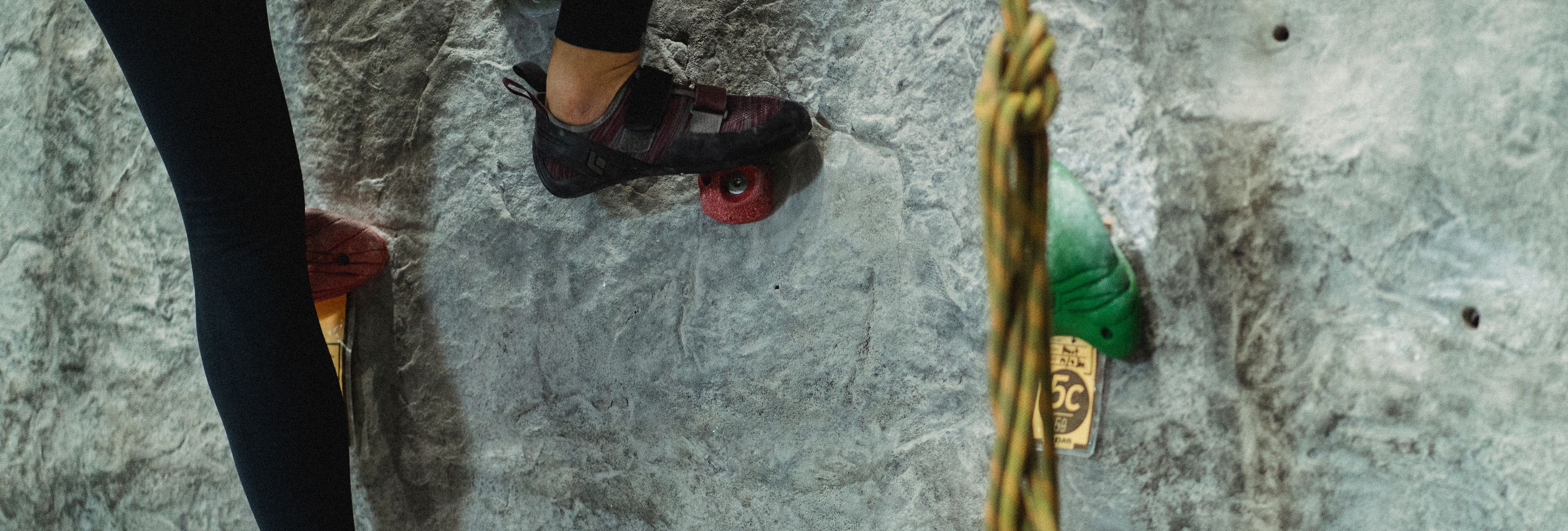
Your First Pair of Climbing Shoes Will Define Your Early Progression
Buying your first pair of climbing shoes feels like a bigger decision than it probably should. You are standing in a gear shop or scrolling through pages of options, and every shoe seems to claim it is the best for beginners. Some have aggressive downturns. Some promise all-day comfort. Some cost more than your gym membership for a year. You need the best climbing shoes for beginners, and you need them to last more than three sessions before your toes go numb.
Here is what nobody tells you at the crag or the gym: your first pair of shoes does not need to be perfect. It needs to fit correctly and it needs to match how you actually climb. A shoe that fits poorly will make every route feel harder than it is. A shoe that fits too soft will teach you sloppy footwork. A shoe that fits too stiff will make smearing feel impossible. The best climbing shoes for beginners are the ones that teach your feet to trust the rock while keeping you comfortable enough to keep showing up.
This guide skips the marketing language and cuts straight to what matters: fit, closure system, rubber, shape, and the mistakes that send most new climbers home early.
Why Most Beginners Choose the Wrong First Shoe
The number one reason climbers quit in their first year is foot pain. Not injury, not fear of heights. Pain. They bought a shoe that fits like a vice grip because someone told them that is how climbing shoes should fit, and they spent six months associating climbing with misery before they stopped showing up.
The second biggest reason is wrong shoe shape for their foot. A high-arched foot in a flat last shoe will cramp and slide. A flat foot in a deeply asymmetric shoe will never feel stable. The best climbing shoes for beginners accommodate real feet, not the idealized foot shape that climbing shoe designers apparently learned about in a textbook.
Most gear marketing targets aspiration over reality. They show you the shoe that looks like what an expert climber would wear, and they assume you want to become that climber. You do. But you are not that climber yet, and your shoes should reflect that. An aggressive downturned shoe on a beginner foot is like putting a race car engine in a car with no transmission. The potential is there, but you cannot access it.
Your first shoe should be flat or slightly cambered. It should have moderate sensitivity so your foot can feel the rock. It should have enough support to protect your toes on slab routes while remaining soft enough to edge on steep terrain. That combination exists. It is not the shoe on the cover of the catalog.
Fit: The One Thing That Determines Everything Else
Climbing shoe sizing is not street shoe sizing. A size eight in one brand can equal a size nine in another. Some brands run narrow, some run wide, some run short. The only way to find the best climbing shoes for beginners on your foot is to try them on, and to try them on correctly.
Your toes should touch the end of the shoe without being crunched. There should be no dead space anywhere. Slide your foot forward until your toes hit the front, then look at the gap between your heel and the back of the shoe. If you can fit more than a finger width, go down half a size. If your heel lifts when you walk, go down a quarter size. The shoe should feel snug everywhere with no pressure points on the top of your foot.
You will hear people say climbing shoes should hurt. This is partially true and mostly misunderstood. They should feel tight. They should feel secure. They should not hurt in a way that makes you want to take them off between routes. If you are wincing during your first session, the shoe is too small. If you can wear them for twenty minutes without thinking about them, they are too big. The best climbing shoes for beginners fit like a firm handshake, not a love letter.
Go to a shop if possible. Try on multiple brands. Walk around. Do some easy routes on the shop wall if they have one. A good fitting shop will not rush you. If they do, leave and find another. Your feet will thank you for the extra time.
The Closure System Matters More Than You Think
Climbing shoes come with three main closure systems: lace-up, velcro, and slip-on. Each has tradeoffs that directly affect how usable the shoe is for a beginner who is still building foot strength and learning to read their toes.
Lace-up shoes provide the most adjustable fit. You can tighten the toe box separately from the midfoot, which means you can dial in exactly how much space your toes have as they swell during a long session. This matters for beginners because your feet will swell more than you expect during your first multi-pitch or your first day at the crag. The tradeoff is adjustment time. You cannot take them on and off quickly between routes. If you are at a sport climbing crag doing multiple routes, that matters less. If you are at a gym climbing with your friends and switching between bouldering and top rope constantly, it matters more.
Velcro closure shoes offer quick on and off. You can adjust them mid-session if your foot starts to slide. They are the most popular choice for gym climbing and for new climbers who do not want to fuss with laces between attempts. The best climbing shoes for beginners in the velcro category tend to be the shoes that balance that convenience with enough structure to still teach good footwork.
Slip-on shoes are the simplest and often the most sensitive. Without laces or velcro straps, the shoe conforms directly to your foot. However, they stretch over time, which means buying snug initially and accepting that the shoe will become slightly bigger after break-in. For a first shoe, slip-ons work best for gym climbing where you are wearing them for an hour or two at a time. They are less ideal for crag days where your foot will swell and you cannot adjust the fit.
Rubber: What Your Foot Contacts the Rock Through
Every climbing shoe is only as good as the rubber on its sole. The rubber is the interface between your foot and the stone, and the formulation determines grip, durability, and sensitivity. For beginners, this matters more than most buyers realize.
Most climbing shoes use rubber from one of a handful of major suppliers. The hardness is measured on a Shore A durometer scale, with lower numbers being softer and stickier, higher numbers being harder and more durable. Beginner shoes typically use mid-range hardness because they need to balance longevity with the grip needed to build confidence on smears and edges.
Softer rubber sticks better to rough rock and plastic but wears faster. If you are climbing exclusively in a gym, softer rubber is fine because the texture is consistent and forgiving. If you are climbing on outdoor rock, harder rubber lasts longer but requires better technique to stick to features. The best climbing shoes for beginners have rubber that forgives sloppy footwork while still rewarding precise placement.
Edge durability matters for beginners because you will edge more than you smear at first. Slab climbing and vertical routes on small holds require sharp edges, and a shoe that rounds off in three sessions will cost you money and confidence. Look for shoes with a dedicated heel and toe patch, which extends the life of the shoe significantly without adding bulk or changing the flex characteristics.
The Shape Your Foot Actually Needs
Climbing shoe shapes fall along a spectrum from flat to aggressive. Most marketing pushes beginners toward moderate aggressive shoes because they look modern and feel powerful when you stand in them. But the shape needs to match your foot anatomy and your climbing goals.
Flat shoes place your foot in a neutral position, which means your arch is not loaded and your toes are not cramped into a downward curl. They are ideal for smearing, for slab climbing, for longer routes where comfort matters, and for beginners with wide feet or flat feet. If you are climbing on granite slabs, sandstone friction routes, or anything with lots of smearing, a flat shoe will make you feel stable faster than an aggressive shoe will.
Moderately downturned shoes have a slight hook at the toe. They work better on overhanging terrain and on small edges. They teach your toes to engage, which builds foot strength over time. For a new climber who is interested in bouldering or steep sport routes, a moderate shoe bridges the gap between comfort and performance. The best climbing shoes for beginners in this category feel supportive without being punishing.
Aggressively downturned shoes have a severe toe hook and are built for steep, technical terrain. They feel incredible on steep routes when you know how to use them. They feel terrible on slab and make smearing nearly impossible for a new climber. If you are primarily bouldering on steep walls, an aggressive shoe can work. If you are climbing anything else, it will hold you back while teaching you habits you will need to unlearn later.
The Five Mistakes That Ruin Your First Shoe Purchase
Buying a shoe one size too small because you heard you should feel pain. This is the biggest mistake. Pain is not a fitting metric. Snug is a fitting metric. A shoe that makes you grit your teeth will make you quit climbing.
Choosing a shoe based on looks rather than foot shape. If the shoe does not fit your foot, it does not matter how good it looks in photos. Your foot does not care about aesthetics.
Prioritizing durability over fit. Yes, a shoe that lasts six months is better than a shoe that lasts two months. But if the two-month shoe fits your foot and the six-month shoe causes pain, the two-month shoe wins every time. You can always buy another pair.
Buying online without trying. If you cannot try on shoes in person, read multiple reviews about the specific model and how it fits relative to street sizing. Watch videos of people unboxing and discussing the fit. Order from a retailer with a good return policy in case the fit is wrong when it arrives.
Ignoring the closure system when evaluating comfort. A shoe that fits perfectly but requires thirty seconds to lace up will frustrate you during a session where you are switching climbs every five minutes. If you are a gym climber who does not want to sit down between attempts, velcro or slip-on wins.
The Shoe You Choose Is the Foundation of Everything
Your climbing shoes are the only piece of gear that connects you to the rock on every move you make. When they fit right, you trust your feet. When you trust your feet, you stop thinking about them and start thinking about the route. When you start thinking about the route, you climb better. It is that simple, and it is that important.
The best climbing shoes for beginners are not the most expensive pair in the shop. They are not the pair your climbing partner who has been doing this for years is wearing. They are the pair that fits your foot, matches your climbing environment, and lets you focus on movement instead of pain. Everything else is secondary.
Go try shoes on. Stand in them. Walk in them. Climb in them if you can. Trust your toes. They know more than you think.